Last updated: 30 September 2026 by the Gas Stove Hub team
Induction cooktops have moved well past being a novelty in Indian kitchens, and most people considering one want a straight answer: what do you actually gain, and what do you give up. This guide covers the real pros and cons of an induction cooktop, backed by how the technology works, so you can decide if it fits your kitchen before you buy.
What Is Induction Cooking?
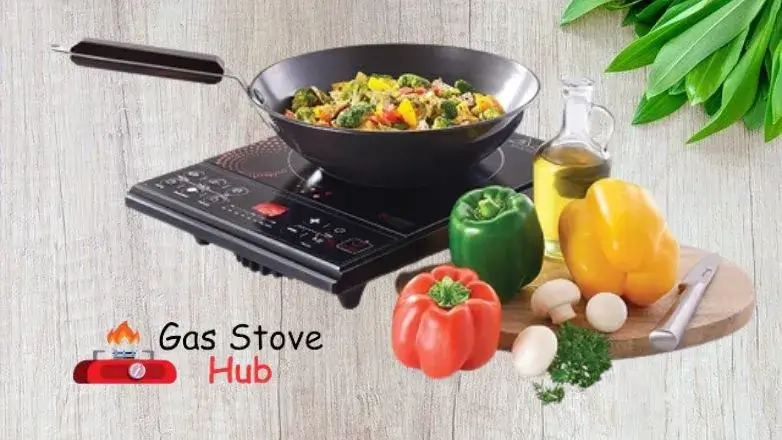
A traditional gas stove heats the burner first, and that heat then passes to the pan, with a fair amount lost to the surrounding air along the way. An induction cooktop skips that step entirely. Below the glass surface sits a coil of copper wire, and when the cooktop is switched on, an alternating current in the coil creates a changing magnetic field. Place a ferromagnetic, flat-bottomed pan on top, and that field induces electrical currents directly inside the metal of the pan, heating it from within. No pan on the cooktop means no heat is generated at all, which is one reason induction is considered safer than an open flame or a glowing coil.
If you are shopping for compatible cookware, our Guide to the Best Induction Cookware in India covers specific recommendations.
Pros of an Induction Cooktop
Several of these benefits are confirmed by independent testing, not just marketing claims. Consumer Reports’ testing consistently finds induction cooktops outperform gas and standard electric cooktops on heating speed and simmer control.
It Is Energy Efficient
Because heat is generated directly inside the pan rather than in the cooktop or the surrounding air, very little energy is wasted. Induction typically reaches somewhere around 85 to 90 percent efficiency, compared with roughly 32 to 45 percent for a gas burner, which can translate into a real reduction in your monthly electricity or LPG spend.
It Cooks Faster
Since almost all the heat goes directly into the pan, induction boils water noticeably faster than gas, often in well under two minutes for a small pan on a high setting. It also keeps your kitchen cooler, since less heat escapes into the surrounding air, which matters more in small kitchens and during warm weather.
It Comes With Useful Safety and Control Features
Most induction cooktops include an automatic shutoff when no cookware is detected or when food has been left to overcook, along with precise low-temperature settings for delicate dishes that are hard to replicate consistently on a gas flame.
It Has a Clean, Modern Look
A flat glass-ceramic surface fits well into modern kitchen interiors, and the unused part of the cooktop stays cool enough to double as extra counter space while you cook, something you could not safely do next to an open gas flame.
It Is Easy to Clean
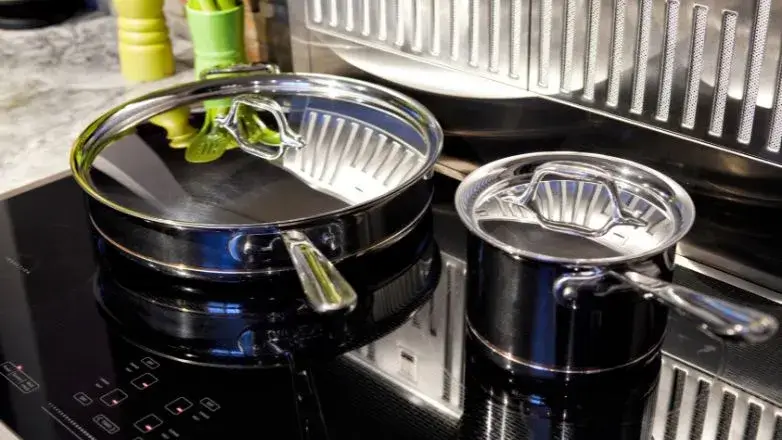
Because the cooktop only heats where it is in contact with compatible cookware, spills that land outside the pan do not continue cooking and bake onto the surface the way they can on a gas burner. A quick wipe with a damp cloth handles most everyday spills. Our full Guide on How to Clean an Induction Stove covers deep cleaning and stain removal in detail.
It Is Safer Around Children
There is no open flame and no risk of a burner being left on unnoticed. The cooktop itself stays relatively cool, and most models lock automatically once cookware is removed, which lowers the chance of an accidental burn compared with a gas stove.
It Keeps the Kitchen Cooler
Since heat stays concentrated in the pan rather than radiating outward, cooking on induction does not warm up the kitchen the way a gas flame does, which is especially noticeable during summer months or in a small, poorly ventilated kitchen.
It Is Portable
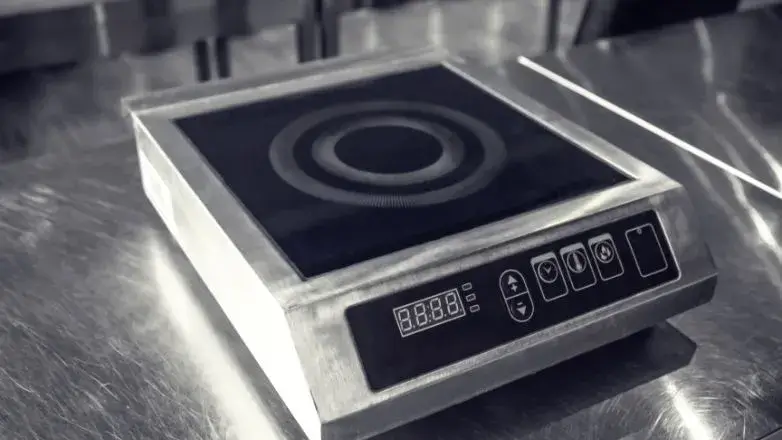
A freestanding induction cooktop runs off a standard power socket rather than a gas cylinder, so it is easy to carry along for outdoor cooking, a hostel room, or a second cooking station, provided you have access to a plug point.
It Can Lower Running Costs
Faster cooking and higher efficiency mean less energy used per meal overall. As LPG prices have risen in recent years, this gap has become more noticeable for many Indian households, though your exact savings depend on your local electricity tariff versus LPG price.
Cons of an Induction Cooktop
Induction is not a perfect fit for every kitchen, and being upfront about the drawbacks helps you decide whether it suits your cooking habits.
It Costs More Upfront
Induction cooktops are generally priced higher than a comparable basic gas stove, though prices have come down as the technology has become more common. Weigh the higher upfront cost against the running-cost savings over time rather than looking at the price tag alone.
It Can Make Some Noise
A light hum or buzz is normal and usually comes from the cookware itself rather than the cooktop, often because the pan’s base is not perfectly flat or correctly sized for the zone. The internal cooling fan can also run briefly after use. Choosing well-fitted, flat-bottomed cookware reduces most of this noise.
Also Read: Induction Cooktop Problems and Solutions
It Has a Learning Curve
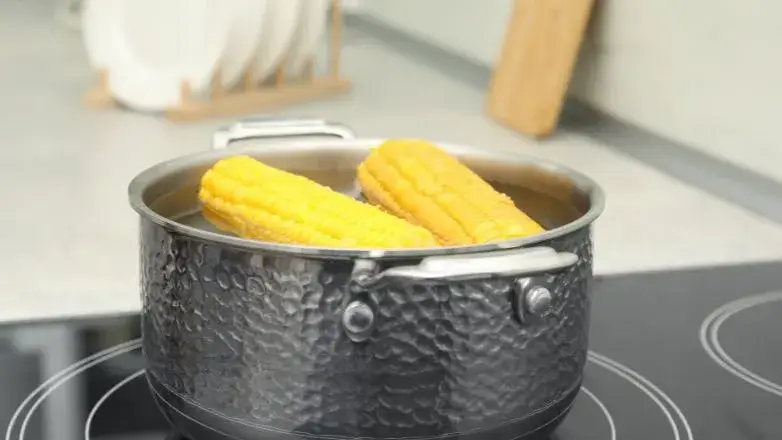
Switching from gas takes a short adjustment period. Induction responds to changes in seconds rather than minutes, so a power level that felt gentle on gas can scorch food on induction. Touch controls can also feel unfamiliar at first compared with a physical knob. Most people find the adjustment takes only a handful of cooking sessions.
A Few Things to Watch For
- Very heavy cookware, particularly uncoated cast iron, can scratch the glass surface if dragged rather than lifted.
- A round-bottomed wok will not make full contact with a flat induction surface. A flat-bottomed induction wok, a dedicated wok burner, or a cooktop with a shaped wok zone solves this.
- The magnetic field can interfere with a digital meat thermometer left on or near the cooktop while it is running.
- People who use a pacemaker should check with their doctor before using induction, since the magnetic field can potentially affect some models.
It Requires Compatible Cookware
Induction only works with ferromagnetic, flat-bottomed cookware. If your pans are relatively new stainless steel, there is a good chance they already work. The simplest test is holding a fridge magnet to the base of the pan. If it sticks firmly, the pan should heat on induction. Our post on Whether Carbon Steel Works on Induction covers one commonly asked cookware question in detail.
It Depends on Electricity
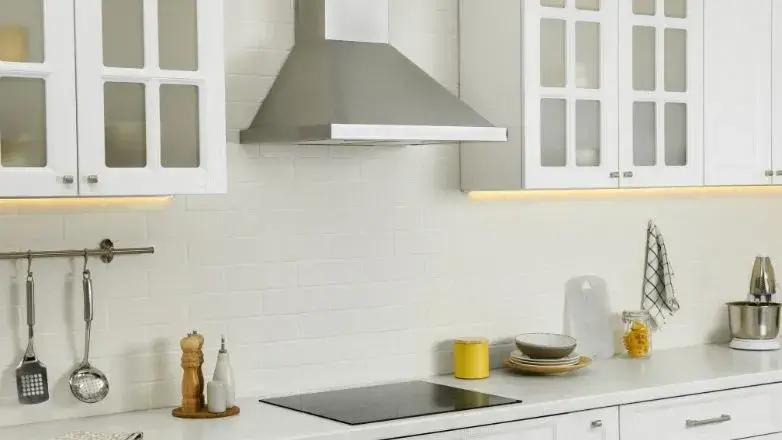
An induction cooktop simply will not work during a power cut, so households in areas with frequent outages generally need a gas stove as backup rather than relying on induction alone.
Repairs Can Be Costly
Because the internal components, such as the coil and control board, are more complex than a gas burner, repairs can be more expensive and may need a specialised technician rather than a general appliance repair shop. For a serious fault, it is often worth comparing the repair quote against the cost of a new unit before committing.
Electrical Requirements: What You Actually Need
This is worth clarifying, since it is a common source of confusion. A standard single or double-burner portable induction cooktop, the kind most common in Indian homes, typically runs on a regular 15 amp household socket and does not need special wiring. Only large, high-wattage built-in induction hobs with multiple zones sometimes need a dedicated circuit, and even then, the requirement varies by model and wattage rather than following one universal number. Always check your specific cooktop’s manual or the manufacturer’s installation guide rather than assuming a fixed electrical specification, and have an electrician confirm the wiring for any built-in unit before installation.
Induction vs Gas: A Quick Snapshot
| Factor | Induction Cooktop | Gas Stove |
|---|---|---|
| Energy efficiency | Roughly 85 to 90 percent | Roughly 32 to 45 percent |
| Works during a power cut | No | Yes |
| Cookware needed | Ferromagnetic, flat-bottomed only | Any cookware |
| Cleaning | Flat glass surface, quick wipe | Burners and grates need regular cleaning |
| Kitchen heat | Minimal | Noticeable |
| Upfront cost | Generally higher | Generally lower |
For a deeper side-by-side comparison, see our Induction Stove vs Gas Stove Guide, and if you are weighing a standard cooktop against a built-in hob, our post on Which Is Better: Gas Stove or Hob in India covers that comparison as well.
Who Should Consider an Induction Cooktop?
- Households with a reliable power supply who cook mostly single-pot meals and want faster, more efficient cooking.
- Smaller kitchens where keeping the space cool and easy to clean matters.
- Anyone looking to reduce LPG dependence without giving up a backup option, since many households keep a gas stove alongside an induction cooktop rather than replacing it outright. Our post on How to Cook on an Induction Cooktop is a good next read if you are getting started.
Induction Cooktop Pros and Cons FAQs
Do induction cooktops show a flame?
No. Induction heats the pan through a magnetic field, so there is no visible flame. Some manufacturers add an LED indicator or a simulated flame display purely so the cooktop does not look off when it is actually running.
Does an induction cooktop need special electrical wiring?
Most portable single or double-burner units plug into a standard household socket. Only certain large built-in hobs may need a dedicated circuit, and the exact requirement depends on the specific model’s wattage, so always check the manual.
Are induction cooktop repairs expensive?
They can be, since the internal electronics are more complex than a gas burner and may need a specialised technician. For a significant fault, it is worth comparing the repair cost against buying a new unit, especially if the current one is out of warranty.
Can I use any wok on an induction cooktop?
Only if it has a flat, magnetic base. A traditional round-bottomed wok will not make good contact with the flat surface. A flat-bottomed induction-compatible wok or a cooktop with a dedicated wok zone solves this.
Why are induction cooktops more expensive than gas stoves?
The electromagnetic components, safety sensors and control electronics cost more to manufacture than a basic gas burner setup, though prices have dropped as the technology has become more widely adopted.
Is induction cooking safe for everyday use?
Yes, for most people. It carries a lower fire risk than gas since there is no open flame, and the cooktop does not heat up without compatible cookware on it. People with a pacemaker should check with their doctor first.
Conclusion
Induction cooking genuinely outperforms gas on speed, efficiency, cleaning and kitchen comfort, and the drawbacks, cost, a short learning curve, and dependence on electricity, are manageable for most households rather than dealbreakers. Whether it is the right fit depends mostly on how reliable your power supply is and whether you are ready to invest in compatible cookware. If you are still deciding, our guide on Induction Cooktop Problems and Solutions is worth reading before you buy, so you know what to expect day to day.