Last updated: 29 September 2026 by the Gas Stove Hub team
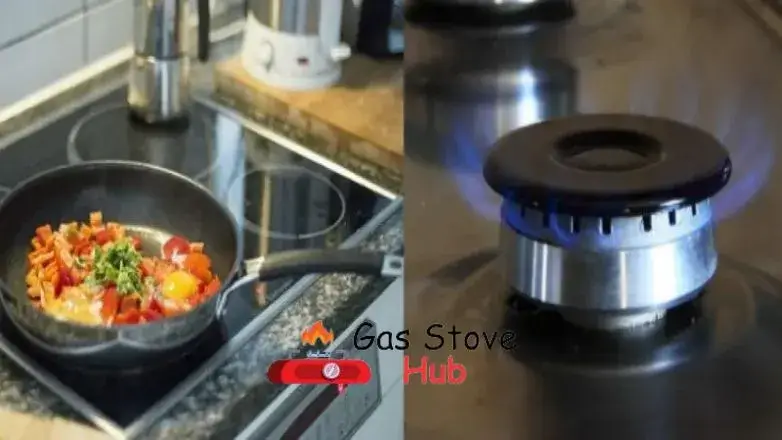
Induction and gas are the two most common stove types in Indian kitchens, and the right choice depends on more than personal habit. Price, running cost, safety, emissions, and how reliable your power and LPG supply are all shape which one suits your household better. This guide compares both in detail and ends with practical guidance on who each one actually suits.
What Is an Induction Stove?
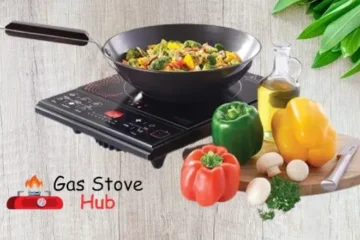
Unlike a gas stove, where the bottom of the utensil is heated by a flame, an induction stove heats the utensil directly using a magnetic field. Induction cooking generates heat inside the pan itself rather than in the cooktop or a heating element, which is why the surface around the pan stays comparatively cool.
What Is a Gas Stove?
Gas stoves remain common in Indian households and among professional cooks for the flexibility they offer. Using a gas stove gives you immediate, visible control over the heat reaching the pan, and this responsiveness, along with long service life and simple cleaning, keeps gas stoves popular. A gas stove runs on a combustible gas such as LPG, natural gas, butane or syngas.
Induction Stove vs Gas Stove: A Detailed Comparison
Working Principle
An induction stove works on electromagnetic induction. A tightly wound coil inside the cooktop carries a high-frequency alternating current, which creates an alternating magnetic field. That field penetrates a ferromagnetic pan placed on top and induces eddy currents directly inside the metal, and the resistance to those currents generates the heat that cooks the food.
A gas stove works on combustion, where the chemical energy stored in the gas is converted into heat as it burns.
Safety
Safety is one of the most important factors in this comparison. Because an induction stove produces no open flame, the risk of accidental burns or a fire starting on the cooktop is much lower, though the pan and the area directly under it can stay warm for a short time after cooking. Gas stoves carry a higher inherent risk, since a leak, careless handling, or an unattended flame can lead to burns or fire, and the cooking area also gets noticeably warmer.
On safety alone, induction is generally considered the better option. One exception worth noting: people who use a pacemaker are usually advised to check with their doctor before using an induction stove, since the magnetic field it generates can potentially interfere with some pacemaker models.
Comfort and Kitchen Environment
Most people who have used both find induction more comfortable for everyday cooking, largely because it does not heat the surrounding air or the cooktop body the way a gas flame does. This matters most in smaller kitchens and during hot weather, when a gas stove can noticeably raise the room temperature.
Cooking Speed
Induction generally boils water faster than gas, since almost all the generated heat goes directly into the pan rather than escaping around its sides. As a rough guide, boiling a few cups of water takes around 5 minutes on induction against roughly 8 minutes on a typical gas burner, though the exact times depend on the wattage of the cooktop and the burner size on the gas stove.
Initial Cost
Prices vary a good deal by brand, wattage and burner count, so treat any number here as a rough starting point rather than a fixed rule. As a general range in the Indian market, a basic single or double induction cooktop and a basic two-burner gas stove often fall in a broadly similar price band, so the initial purchase cost is usually not the deciding factor between them. Check current listings for the specific models you are considering, since prices shift with material costs and features such as auto-ignition or preset cooking modes.
Energy Efficiency and Running Cost
This is where the two differ the most. A gas stove typically converts only about 32 to 45 percent of the energy in the fuel into heat that actually reaches the food, with the rest escaping as ambient heat around the pan. Induction reaches roughly 85 to 90 percent efficiency, since the pan itself is the heat source and very little energy is lost to the surrounding air.
That efficiency gap generally translates into a lower running cost for induction in most Indian homes, particularly as LPG cylinder prices have risen. Several 2026 cost comparisons put induction’s running cost at roughly half to two-thirds of an equivalent gas stove’s for the same amount of cooking, though your actual savings depend on your local LPG price and electricity tariff, so it is worth checking both for your area rather than assuming a fixed number.
Maintenance
A gas stove has more physical components, including burners, grates, a pipe and a regulator, each of which needs periodic cleaning or replacement. An induction cooktop has a single flat surface and fewer moving parts, which generally makes it cheaper and quicker to maintain over time. Our guides on Cleaning Gas Stove Pipes, Burners and Grates and Cleaning an Induction Stove cover the routine for each in detail.
Advantages of an Induction Stove
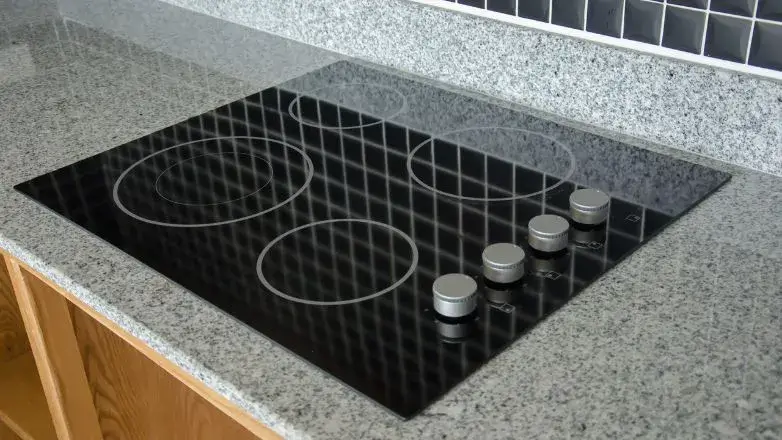
Easy to Set Up and Use
A portable induction cooktop’s light, simple design makes it easy to set up, move and use, which suits smaller kitchens and rented homes well.
Advanced Cooking Options
Most induction cooktops include multiple power levels, timers, preset cooking modes and an automatic shutoff when idle, which adds a level of control gas stoves generally do not offer.
Saves Energy
As covered above, induction wastes far less energy than gas, which adds up to real savings over months of regular cooking.
Targeted Heat, Cooler Kitchen
Since the pan heats up but the cooktop and surrounding air largely do not, cooking on induction keeps the kitchen noticeably cooler than cooking the same meal on gas.
Disadvantages of an Induction Stove
Depends on Electricity
An induction stove will not work during a power outage, so households in areas with frequent outages need a backup cooking option.
Restrictions on Cookware
Induction only works with ferromagnetic, flat-bottomed cookware, so plain aluminium and copper pans need to be replaced or checked with a magnet before use. See our Guide to the Best Induction Cookware in India if you are shopping for compatible pans, and our post on Whether Carbon Steel Works on Induction if that is what you already own.
Several factors shape the choice between a gas stove and an induction stove: whether it is for a household or a restaurant, how much kitchen space you have, how reliable your power supply is, and your budget. Working through these questions honestly usually makes the right choice clear.
Advantages of a Gas Stove
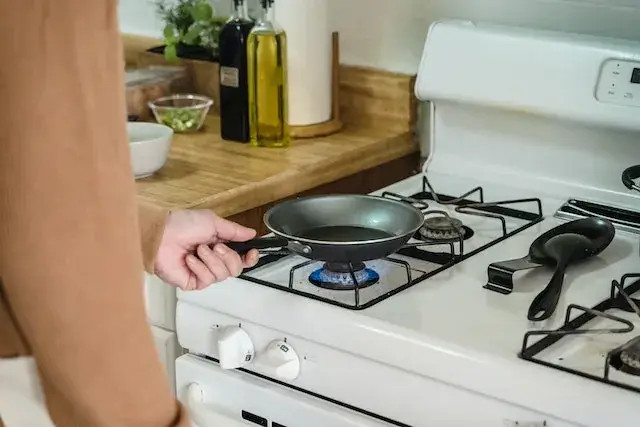
Works Without Electricity
An uninterrupted power supply is not something every household can count on. When supply lines are disrupted by weather or a scheduled outage, a gas stove keeps working regardless, which makes it a reliable backup even in a mostly-induction kitchen.
Multiple Burners at Once
A full meal is rarely one dish. Cooking several items at the same time on separate burners saves real time compared with cooking each one in sequence on a single induction cooktop.
No Restrictions on Cookware
Gas heats any pan placed over the flame, so there is no need to check cookware compatibility or replace pans you already own. Pan size also matters far less than it does on induction.
Disadvantages of a Gas Stove
Higher Risk of Fire or Burns
Because gas stoves use a flammable fuel, a leak or careless handling carries real risk. Our guide on Whether Gas Stoves Can Explode covers the warning signs worth knowing, and our post on Cleaning and Checking Gas Stove Pipes covers how to spot a worn hose before it becomes a hazard.
Heats the Kitchen
The flame heats the surrounding air along with the pan, which is uncomfortable in hot weather or a poorly ventilated kitchen.
Restricts Ventilation Choices While Cooking
An open flame is sensitive to draughts, so running a ceiling fan directly over a gas stove or cooking with windows open on a windy day is not advisable.
CO2 Emissions
LPG, butane, propane, natural gas and syngas all release carbon dioxide and other combustion byproducts when burned, which induction cooking does not produce at the point of use.
Fuel Cost and Availability
LPG prices have risen in recent years, and supply can be disrupted in some areas. A rising or unpredictable fuel cost is one of the main reasons more Indian households are adding an induction cooktop alongside their existing gas stove rather than relying on gas alone.
Induction Stove vs Gas Stove: Quick Comparison
| Factor | Induction Stove | Gas Stove |
|---|---|---|
| Heating principle | Electromagnetic induction, heats the pan directly | Open flame combustion |
| Energy efficiency | Roughly 85 to 90 percent | Roughly 32 to 45 percent |
| Running cost | Generally lower per meal | Generally higher, rising with LPG prices |
| Works during power cuts | No | Yes |
| Cookware needed | Ferromagnetic, flat-bottomed only | Any cookware |
| Safety | No open flame, cooler cooktop | Flame and leak risk |
| Cleaning | Flat glass surface, quick wipe | Burners, grates and pipe need regular cleaning |
| Kitchen heat | Minimal | Noticeable, especially in hot weather |
Who Should Choose Which
- Choose induction if you live in a small kitchen, cook mostly single-pot meals, have a stable power supply, and want lower running costs and easier cleaning.
- Choose gas if you regularly cook multiple dishes at once, need a stove that works through power outages, or rely on cookware, such as a wok or a tawa, that is not induction-compatible.
- Choose both if your budget allows it. Many Indian households in 2026 are keeping a gas stove for heavy cooking, roti-making and power-cut backup, while using an induction cooktop for everyday quick meals, reheating and reducing overall LPG use.
Induction vs Gas Stove FAQs
Is induction cheaper to run than gas in India?
For most households, yes. Induction’s higher energy efficiency generally means a lower cost per meal than gas, though the exact savings depend on your local LPG price and electricity tariff.
Can I use my existing pots and pans on induction?
Only if they are ferromagnetic and flat-bottomed. Test any pan by holding a fridge magnet to its base. If it sticks firmly, it should work on induction.
Is induction safe to use every day?
Yes, for most people. It carries a lower fire risk than gas since there is no open flame. People who use a pacemaker should check with their doctor first, since the magnetic field can potentially affect some models.
Can induction fully replace a gas stove?
It can for many day-to-day meals, but most households find it practical to keep a gas stove as well, mainly for power-cut backup and for cooking multiple dishes at once.
Why does gas heat my kitchen more than induction?
A gas flame loses a large share of its heat to the surrounding air rather than the pan, while induction generates heat mainly inside the pan itself, so the kitchen around it stays cooler.
Which boils water faster, induction or gas?
Induction is generally faster, since it delivers heat directly to the pan rather than losing some of it around the sides, though the exact difference depends on the wattage of your cooktop and the size of your gas burner.
Conclusion
Induction and gas each do some things better than the other. Induction wins on running cost, safety and kitchen comfort, while gas wins on working through power cuts, cooking multiple dishes at once, and not needing special cookware. For many Indian households in 2026, the practical answer is not choosing one over the other but using both, an induction cooktop for daily quick cooking and a gas stove for heavier meals and backup. If you are ready to buy, our guide on The Pros and Cons of Induction Cooktops and our post on How to Cook on an Induction Cooktop can help you get started with either.