Last updated: 30 September 2026 by the Gas Stove Hub team
Before comparing anything, it helps to clear up a common mix-up. In Indian kitchen terminology, a gas hob is not an induction or electric appliance. It is still an LPG-powered gas cooking surface, just built directly into the countertop rather than standing freely on top of it. If you are actually choosing between gas and induction cooking, our Induction Stove vs Gas Stove Guide covers that comparison instead. This guide focuses on the real decision most people are weighing: a freestanding gas stove versus a built-in gas hob.
What Is the Difference Between a Gas Stove and a Gas Hob?
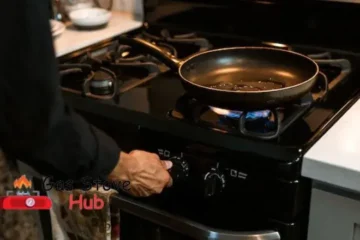
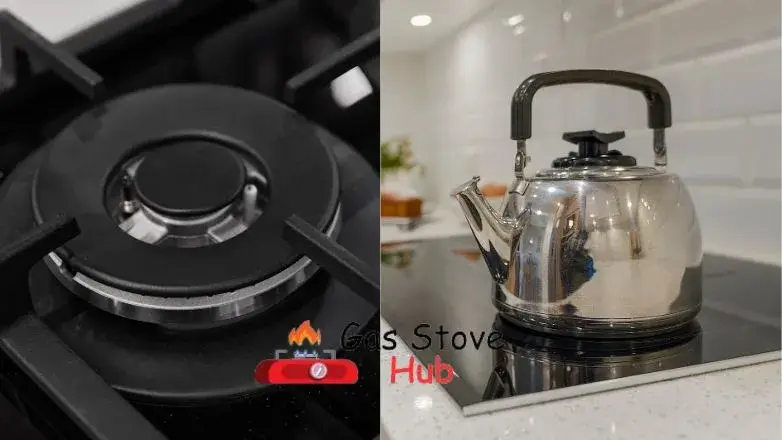
A gas stove is a freestanding appliance that sits on top of your counter and can be lifted and moved. A gas hob is installed into a cut-out in the counter itself, sitting flush with the surrounding surface, with the gas pipe routed underneath out of sight. Both burn LPG, both produce an open flame, and both offer comparable cooking performance. The real differences lie in installation, appearance, maintenance and cost, not in how they cook your food.
Gas Stove vs Gas Hob: A Detailed Comparison
Burners and Functionality
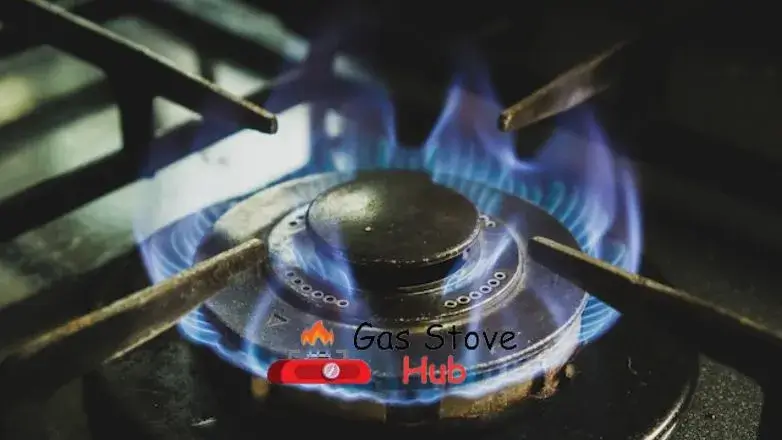
Both typically come in configurations of 2 to 6 burners, with similar flame control and heat output since both run on the same fuel. A basic gas stove usually has on-off knobs with low, medium and high flame settings. A gas hob often adds a few extra touches, auto-ignition as standard, and sometimes a slightly wider spread of flame for recipes like phulkas that benefit from an even, open heat. Neither offers meaningfully faster or slower cooking than the other, since the heat source itself is the same open gas flame in both.
Aesthetic Appeal
A freestanding gas stove sits visibly on the counter, with the gas pipe running along the back, which can look slightly bulky in a compact modular kitchen. A gas hob sits flush with the countertop and hides the pipe underneath, giving a cleaner, more integrated look that suits contemporary kitchen designs. If appearance matters most to you, a hob generally wins here.
Installation Process
A gas stove is simple to install. Connect it to the gas supply and it is ready to use, and it can be moved or relocated at any time. A gas hob requires a precise rectangular cut-out in the kitchen counter, ideally planned before the countertop is installed, and professional fitting is strongly recommended to get the gas connection and seal right. Once installed, a hob is far less convenient to move or replace than a stove.
Cleaning and Maintenance
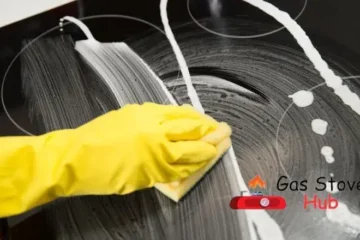
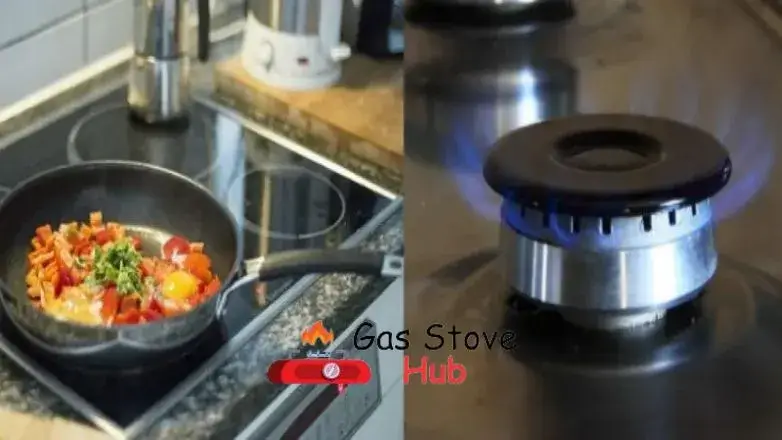
A gas stove can be lifted off the counter entirely for a thorough clean underneath, and individual burners and grates can be removed and soaked. A gas hob’s flush design means spills wipe straight from the glass or steel surface onto the counter with no gap to catch crumbs, which makes everyday wiping quicker, though cleaning around and under the burner assembly itself is trickier since the unit cannot be lifted out. Our guide on Cleaning Gas Stove Pipes, Burners and Grates covers the routine either type needs.
Repair and Replacement
Replacing a gas stove is straightforward: disconnect the old one, connect the new one. Replacing a gas hob often means matching the exact cut-out dimensions or cutting the counter again for a different size, which adds cost and effort. For both types, minor repairs such as igniter or burner replacement are usually routine, while anything involving the counter cut-out on a hob tends to be more expensive to fix.

Price
A basic gas stove is generally the cheaper option, with a wide range of models to fit almost any budget. A gas hob, particularly a premium one with auto-ignition and a glass top, typically costs more, and the installation itself adds further expense once you factor in cutting the counter and professional fitting. Prices vary a good deal by brand and features, so treat this as a general pattern rather than a fixed rule, and check current listings for the specific models you are considering.
Gas Stove vs Gas Hob: Quick Comparison
| Factor | Gas Stove | Gas Hob |
|---|---|---|
| Installation | Freestanding, sits on counter | Built into a counter cut-out, flush |
| Fuel and flame | LPG, open flame | LPG, open flame |
| Mobility | Easy to move or relocate | Fixed once installed |
| Appearance | Visible, functional | Sleek, integrated |
| Cleaning | Can be lifted for a full clean | Quick surface wipe, harder to deep clean |
| Price | Generally lower | Generally higher, plus installation cost |
Safety Considerations for Both Types
Neither a gas stove nor a gas hob is inherently child-safe, since both use an open flame and neither includes an automatic shutoff the way an induction cooktop does. Keep children away from the burners while cooking, and never leave either type unattended with a flame on. The usual gas safety habits apply equally to both: check the hose regularly, and our Guide to Checking and Replacing Gas Stove Pipes and our safety explainer on Whether Gas Stoves Can Explode are worth reading regardless of which you own.
Which Should You Choose?
- Choose a gas stove if you want lower upfront cost, easy installation, and the flexibility to move or replace it without touching your countertop.
- Choose a gas hob if you are designing a modular kitchen and want a seamless, premium look, and you are comfortable with the higher upfront cost and more involved installation.
If you are also weighing cooking fuel types altogether, our Pros and Cons of Induction Cooktops guide is worth reading before you decide, since an induction hob is a genuinely different appliance from the gas hob covered here.
Gas Stove vs Gas Hob FAQs
Is a gas hob the same as an induction hob?
No. A gas hob still burns LPG and produces an open flame, just built into the counter. An induction hob is an entirely different, electricity-based technology with no flame at all. They are often confused because both are called “hobs” in Indian kitchen terminology.
Does a gas hob cook faster than a gas stove?
No, not meaningfully. Both use the same LPG open flame, so cooking speed is essentially the same. Any difference comes down to burner design and wattage rather than whether the unit is built-in or freestanding.
Can I install a gas hob without cutting my kitchen counter?
No. A true built-in gas hob requires a precise cut-out in the counter to sit flush, which is why it is best planned before the countertop is installed rather than added afterward.
Do induction hobs have a warranty?
Most reputable manufacturers of gas hobs, gas stoves and induction hobs alike offer a standard warranty period. Check the specific terms for the model you are buying, since coverage varies by brand.
Is a gas hob safe for children?
A gas hob still has an open flame, so it carries the same risks as a gas stove and needs the same precautions. Keep children away from the burners while cooking, and never leave it unattended with a flame on.
Conclusion
A gas stove and a gas hob are more alike than they might first appear, since both run on the same fuel and produce the same open flame. The real choice comes down to installation, appearance and budget rather than cooking performance. A stove suits flexibility and lower cost, while a hob suits a seamless, modular kitchen look if you are willing to invest more upfront. If your decision is really between gas and electric cooking rather than freestanding versus built-in, our Induction Stove vs Gas Stove Guide is the comparison you actually need.