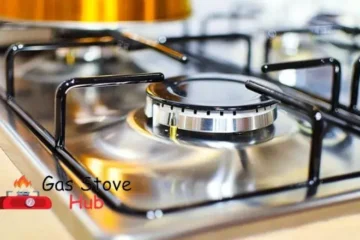
A glass top gas stove looks sleek and wipes clean easily, but two stoves that look alike can differ a lot in glass specification, burner material, pan support design, ignition, safety certification and warranty. This guide explains how to compare models for everyday Indian cooking, what to verify before paying, which claims deserve a closer look, and how to inspect and maintain the stove safely. We focus on published specifications and practical purchase checks rather than declaring a universal best model.
Written by Abdul Khader, researcher and writer at Gas Stove Hub. Last updated: October 24, 2026
Affiliate Disclosure: This article includes affiliate links. Gas Stove Hub may earn a commission if you buy through certain links, at no extra cost to you. We distinguish general material comparisons from model-specific claims and recommend checking live specifications, prices and warranty documents before purchase.
Quick Checklist Before You Buy
- Glass: confirm that the manufacturer specifies toughened glass and clearly states the construction. Do not treat 6 mm or 8 mm as a universal safety guarantee. Check certification, pan support design, warranty and the exact model specifications together.
- Burners: brass or forged brass rather than thin aluminium.
- Safety: an ISI mark, and a flame failure device if you can get one in your budget.
- Ignition: auto ignition if convenience matters, manual if you want fewer parts to maintain.
- Warranty: check the cover on the product, the glass and the burners separately.
- Service: choose a brand with a service centre in your city.
Glass Top or Stainless Steel: Which Suits You?
Glass top stoves give a modern look and a smooth surface that is quick to wipe after oily cooking, but the glass can scratch or crack if it is handled badly. Stainless steel is tougher and more forgiving of knocks, though it shows scratches and water marks and looks plainer. If you are still undecided, our guide on Which Is Better: Gas Stove Glass Top or Stainless Steel compares the two in detail. The rest of this guide assumes you have decided on glass.
Factors to Consider When Choosing the Best Glass Top Gas Stove
1. Number of Burners
A 2-burner stove suits compact kitchens and small households, a 3-burner stove suits most families, and a 4-burner stove gives you room to cook several dishes at once. Choose by how many dishes you actually cook together rather than buying the largest size. Our guides on Is a 3 Burner Gas Stove Good or Bad and the Prestige 4 Burner Gas Stove Auto Ignition Guide can help you decide. If you are curious about the history of the appliance itself, read Who Invented the First Gas Stove.

2. Burner Size and Placement
Check that the burners are spaced so your largest pressure cooker, kadhai and tawa can sit side by side without touching. A mix of one large high-flame burner and smaller burners suits most Indian cooking, since you can boil on the big burner and simmer on the small ones.
3. Glass Type and Thickness
The glass is part of the stove’s load-bearing and heat-exposed design, so check the manufacturer’s exact specification. Toughened or tempered glass is heat-treated, but no thickness figure by itself guarantees that a stove will not crack. Models vary in glass construction, support frame, pan support layout and warranty terms. Compare those details together and avoid listings that omit the material specification. You can review the Official Prestige Euro Glass Top Stove Specifications as one example of a manufacturer listing that identifies glass and warranty details. Some models use branded glass such as Schott, which we discuss in our Elica vs Prestige Gas Stove Comparison. For a plain-language overview, see Tempered Glass.
4. Burner Material
Brass and forged brass burners hold up well to heat and corrosion and are the usual choice on good stoves. Cheaper aluminium alloy burners are lighter but tend to wear and discolour sooner. Ask which material the burner cap and body are made from, since listings sometimes mention only one. Our guide on How to Clean a Gas Burner at Home explains how to look after each type.
5. Ignition System
You can choose manual ignition, where you light the burner with a lighter, or auto ignition, where turning the knob makes a spark. Auto ignition is more convenient, especially with wet or oily hands, while manual stoves have fewer parts that can wear out. Our guide on What Is Auto Ignition and How It Works explains piezo and battery ignition, and Auto Ignition Gas Stove Disadvantages and Remedies covers the trade-offs.
6. Safety Features and Certification
Check the BIS/ISI certification for the exact model rather than relying on a logo in a retailer image alone. The Bureau of Indian Standards publishes requirements for domestic LPG stoves in IS 4246:2025, Domestic Gas Stoves and Built-in Hobs for Use with LPG. Its published overview covers issues such as flame stability, thermal shock, combustion quality, pan supports and product marking. Verify the mark and licence details on the appliance or packaging with the BIS Product Certification Information. A flame failure device can stop gas flow if the flame goes out, but it is not fitted to every model, so check the manufacturer’s specification. Child-resistant or push-and-turn controls can reduce accidental operation but do not replace supervision. Our guide on Automatic Gas Stove Safety explains these features in more detail.
7. Cleaning and Maintenance
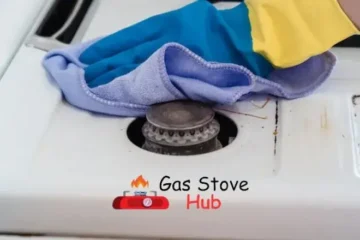
Choose a stove with removable burner heads and caps, a stainless steel drip tray or spill-proof design, and pan supports you can lift off easily. These details decide whether weekly cleaning takes five minutes or half an hour. Our guide on How to Deep Clean a Gas Stove shows what the routine looks like.
To see a wide range of glass top models side by side, you can Browse Glass Top Gas Stoves on Amazon.
Features to Look for in the Best Glass Top Gas Stove
Brand Consideration
Choose a brand with an authorised service centre near you and a clear warranty-claim process. Brands you will see widely in the Indian market include Prestige, Hindware, Surya Flame, Faber, Bosch, Lifelong, Elica and Glen. Range, glass type, service availability and warranty differ by model, so compare the exact product you intend to buy rather than the brand name alone.
Gas Stove Prices, Certification and Warranties
Prices vary widely with burner count, glass thickness, burner material and ignition type, so set a budget first and then compare models inside it. Make sure the stove carries an ISI mark. For warranty, a 2-year cover on the product is common, and some models add longer cover on the glass or burners, so read what each part of the warranty covers and what it excludes. Keep the invoice and warranty card safe, since claims depend on them.
Style, Knobs and Functions
Pick a design that fits your kitchen, but look beyond appearance. Sturdy, heat-resistant knobs that turn smoothly give you better flame control, and a wide, stable pan support keeps heavy vessels steady.
How to Compare Two Glass Top Gas Stoves Side by Side
Product pages often use similar photos and broad claims, so compare the full model number and specifications rather than brand names alone. Save both product pages and check the same fields before deciding. A lower price is not automatically better value if the stove has unclear warranty terms, limited service support or a burner layout that does not fit your cookware.
Compare the Specifications That Affect Daily Use
| Compare | What to Verify | Why It Matters |
|---|---|---|
| Exact model | Full model name, code and seller variant | Similar-looking models can use different ignition systems and warranties. |
| Burner count and layout | Number, size and spacing of burners | Large pressure cookers and kadhais need stable space without hitting nearby vessels. |
| Glass top | Manufacturer-stated glass type and thickness | Glass construction, support and care instructions matter together. Thickness alone is not a guarantee against breakage. |
| Burners and pan supports | Burner material, stated rating, support strength and stability | These affect everyday cooking and vessel placement. |
| Ignition and controls | Manual or automatic ignition, battery requirement and control design | Choose the convenience and maintenance level you prefer. |
| Safety and certification | Applicable BIS/ISI certification details and any flame failure device | Do not assume a safety feature is included unless the exact model specification says so. |
| Warranty and service | Separate coverage for product, glass and burners, plus local authorised service | A long glass warranty may not cover every part or every type of damage. |
| Total checkout cost | Current price, delivery, installation, accessories and return policy | Compare the final cost, not only the advertised price or MRP. |
Check Service Support Before You Pay
Before ordering, look up the manufacturer’s service process for your city and ask how to request glass replacement, burner service or ignition repairs. Keep a copy of the invoice, model label and warranty terms. Check whether the warranty requires registration or an authorised installation, and do not assume that glass breakage from an impact is covered.
Questions to Ask the Seller
- What is the exact model number, and is the unit supplied new with a valid invoice?
- What is the warranty for the full product, the glass and the burners separately?
- Is the stated safety certification valid for this exact model?
- Are installation, delivery and any required accessories included in the displayed price?
- Where is the nearest authorised service centre, and how are parts or glass replacement arranged?
Buying Checklist: What to Check and What Is a Good Sign
| What to Check | A Good Sign |
|---|---|
| Glass specification | Manufacturer-stated toughened glass type and thickness, supported by certification, pan support design and warranty terms. Do not judge safety by thickness alone. |
| Burner material | Brass or forged brass |
| Certification | ISI mark shown on the stove and the box |
| Ignition | Type clearly stated, and battery needs listed if any |
| Warranty | Separate terms for product, glass and burners |
| Cleaning | Removable burners, drip tray and liftable pan supports |
| Service | Authorised service centre in your city |
Common Mistakes to Avoid
- Buying on looks alone and ignoring glass thickness and burner material.
- Picking a size you do not need, which takes up counter space and costs more to run.
- Skipping the warranty fine print, such as what the glass warranty excludes.
- Choosing a stove from a seller who does not give a proper invoice.
- Assuming every model of a good brand has the same features.
What to Check When the Stove Arrives
- Look over the glass for chips, cracks and scratches before you accept the delivery.
- Check that burners, caps, pan supports, knobs and drip trays are all in the box and undamaged.
- Confirm the ISI mark and the model number match your order.
- Have an authorised technician connect and inspect the gas supply and fittings. Never use a flame to check for a leak. For maintenance guidance, see our guide on Gas Stove Pipes and Hoses.
- Light each burner and check that the flame is mostly blue and steady.
How to Make a Glass Top Gas Stove Last Longer
- Lift pans instead of sliding them across the glass.
- Never pour cold water onto a hot glass top, since sudden temperature change can crack it.
- Use cookware that matches the burner size, and avoid very heavy pots resting on the glass.
- Wipe spills once the stove has cooled, and clean the burner ports regularly.
- Do not cover a burner that is switched off, which can trap heat against the glass.
Our guide on Glass Top Gas Stove Problems covers scratches, cracks and the fixes in more detail, and How to Repair a Gas Stove explains which faults you can fix yourself.
How This Buying Guide Was Prepared
This guide is based on manufacturer-published specifications and care instructions, current Indian product-standard information from BIS, and practical checks a buyer can perform when comparing listings. It is a research-based buying guide, not a claim that every model mentioned has been independently laboratory-tested or used in a long-term hands-on trial. Product specifications, prices, stock status and warranty terms can change, so verify the exact model and documents before paying.
For example, BIS publishes IS 4246:2025 for Domestic Gas Stoves and Built-in Hobs for Use with LPG, including safety and performance topics such as thermal shock, flame stability, combustion quality and pan support design. For LPG user safety, consult the official Pradhan Mantri Ujjwala Yojana Safety Pledge.
Glass Top Gas Stove Buying FAQs
What glass thickness is best for a glass top gas stove?
There is no single thickness number that proves a glass-top stove is safe across every model. Check the manufacturer’s exact glass specification, applicable certification, support design and warranty together. A listing that does not state the glass specification is a reason to ask the seller or manufacturer for clarification before buying.
Is a glass top gas stove safe for everyday cooking?
Yes, when it uses properly toughened glass of adequate thickness and you follow basic care. Avoid cold water on hot glass and avoid dragging heavy vessels.
Which is better, a brass burner or an aluminium burner?
Brass is the usual choice for durability and steady heat. Aluminium alloy burners are cheaper and lighter but tend to wear and discolour sooner.
Do I need auto ignition on a glass top gas stove?
It is not essential. Auto ignition is convenient, particularly with wet or oily hands, while a manual stove has fewer parts that can fail. Choose the one that suits how you cook.
How long does a glass top gas stove last?
It depends on build quality, burner material and how well you maintain it. A good brass-burner stove that is cleaned regularly and handled carefully can last many years.
Can a glass top gas stove crack?
It can, usually from a hard knock, a very heavy vessel, or sudden temperature change such as cold water on hot glass. Thicker, properly toughened glass and careful use reduce the risk.
Is a 3 burner or 4 burner stove better for a family?
A 3-burner stove suits most small and medium families. A 4-burner stove makes more sense for bigger households or frequent entertaining.
What should I check in the warranty?
Check how long the product, the glass and the burners are each covered, what is excluded, and what paperwork you need to make a claim. Keep the invoice and warranty card.
Is 8 mm Glass Always Safer Than 6 mm Glass?
Not automatically. Thickness is only one part of a stove’s construction. Check the manufacturer’s declared glass specification, appliance certification, support frame, pan supports and warranty. Do not assume that a thicker panel can withstand every impact or sudden temperature change.
How Can I Check the ISI Mark on a Gas Stove?
Inspect the appliance label and packaging, note the exact model and certification or licence details, and verify them with the manufacturer or BIS resources. Do not rely only on a logo shown in a marketplace photograph. See the BIS Product Certification Information and the published IS 4246:2025 Standard Overview.
What Should I Do if I Smell LPG Near the Gas Stove?
Do not light the stove, use a flame to search for the leak, or operate electrical switches. If it is safe, close the regulator, open doors and windows manually, and move away from the area. Call the 24-hour LPG leakage emergency helpline on 1906 from a safe location and follow the operator’s instructions. The official LPG Safety Pledge provides further safety guidance.
Should I Choose a Glass Top Stove With a Flame Failure Device?
A flame failure device is a useful safety feature because it is designed to stop gas flow if a flame goes out. Not every domestic stove includes one, so check the exact model specifications and ask the manufacturer how the feature works. It does not replace correct installation, ventilation or routine maintenance.
Which Is Better for a Family, a 3 Burner or 4 Burner Glass Top Stove?
A 3-burner stove is often enough for households that usually cook two or three dishes at a time and have limited counter space. A 4-burner model can help larger households cook several dishes together, but burner spacing matters. Measure the counter and consider the size of your most-used pressure cooker, kadai and tawa before choosing.
Conclusion
The best glass top gas stove is the one that fits your cooking routine and kitchen space, has clearly documented specifications and certification, offers stable pan supports, and comes with warranty and service support you can verify. Compare full model numbers, burner layout, ignition, the stated glass construction, the warranty and the total checkout price. Inspect the stove when it arrives and have it connected by an authorised professional. If you are comparing cooktop materials, see our guide on Which Is Better: Gas Stove Glass Top or Stainless Steel.
Source & About This Guide
This article is based on published manufacturer specifications and care instructions, Indian product-standard information, and practical buyer checks. It is a research-based buying guide, not a claim of independent laboratory testing or hands-on testing of every stove mentioned. Product features, certification status, prices and warranty conditions can change, so confirm them with the manufacturer or authorised seller before purchase.
- Bureau of Indian Standards: IS 4246:2025 Domestic Gas Stove and Built-in Hob Standard Overview
- Bureau of Indian Standards: Product Certification Information
- Pradhan Mantri Ujjwala Yojana: LPG Safety Pledge and Emergency Guidance
- TTK Prestige: Example Glass Top Stove Specifications and Warranty
- Glen India: Gas Stove Buying Guide
About This Guide: Written by Abdul Khader, researcher and writer at Gas Stove Hub. The goal is to help Indian households evaluate glass top gas stoves using model-specific information and practical purchase checks. For technical questions, installation, repairs or warranty claims, contact the manufacturer or an authorised service provider.