Last updated: 29 September 2026 by the Gas Stove Hub team
Where standard cooktops burn fuel to make heat, an induction cooktop creates heat directly inside the pan itself, with no open flame and no fumes. This beginner’s guide walks through how induction cooking actually works, how to switch one on safely, the power levels to use for different dishes, and the small habits that keep it running well for years.
How Does an Induction Cooktop Actually Work?
An induction cooktop uses electromagnetism rather than a flame or a heating element. A copper coil sits below the glass surface, and when you switch the cooktop on, an electric current passes through that coil and creates a changing magnetic field. Once you place a ferromagnetic pan on top, the field induces electric currents directly inside the metal of the pan, and the resistance to those currents generates heat inside the cookware itself. The glass surface around the pan stays relatively cool, which is why Induction Cooking is considered one of the safer and more efficient ways to cook at home.
What Cookware Works on an Induction Cooktop?
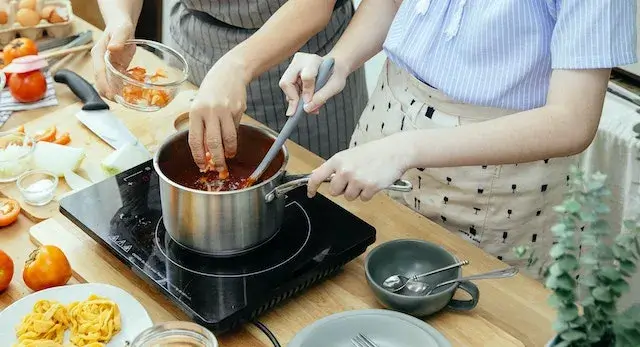
Induction only heats cookware that is ferromagnetic, so plain aluminium and copper pans will not work unless they have a magnetic base bonded to them. Cast iron, enamelled iron and most stainless steel pans with a magnetic base all work well. The simplest way to check a pan you already own is to hold a fridge magnet to the bottom. If it sticks firmly, the pan will work on induction. If it does not, the cooktop will usually show an error or simply stay off. See our Guide to the Best Induction Cookware in India for specific recommendations, and our post on Whether Carbon Steel Works on Induction if that is what you already have in your kitchen.
How to Switch On an Induction Cooktop
This assumes your induction cooktop, built-in or portable, is already installed correctly on a level surface.
- Place the induction-compatible cookware on the cooking zone before switching the unit on, and keep the area around it clear so air can vent properly.
- Add the food to the cookware, then press the power button on the control panel. This may be a single tap or a long press depending on the model, so check the owner’s manual if you are unsure.
- Placing the cookware first also matters for a practical reason: most cooktops switch themselves off automatically if they do not detect cookware within 10 to 60 seconds of being turned on.
Safety Tips Before You Start Cooking
- Match the size of the cookware to the size of the heating zone so heat spreads evenly.
- Centre the pan over the ring marked on the cooktop surface.
- Lift cookware on and off the surface rather than dragging it, since dragging is one of the most common causes of scratches.
- Make sure the power outlet is switched off before you plug the cooktop in, then switch the outlet on afterward.
How to Cook on an Induction Cooktop, Step by Step
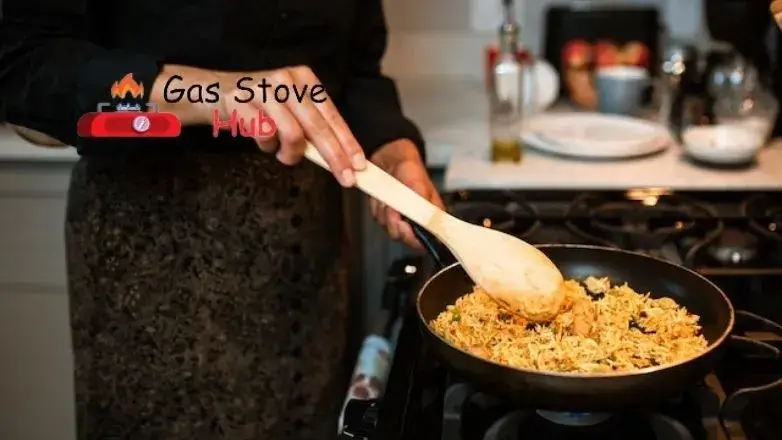
Induction cooking has a short learning curve, but it becomes fast and intuitive within a few sessions. This Beginner’s Guide to Induction Cooking from Appliances Online covers a similar process in more depth.
- Place the induction-compatible cookware gently on the cooktop and switch it on as described above.
- Press the power on button on the control panel, either a single tap or a long press depending on the model.
- On cooktops with multiple rings, select the correct zone using the sensor or control panel prompts.
- Use the plus and minus buttons to set the power level. Start lower than you would on gas, since induction heats faster and responds instantly to adjustments.
- Power off the cooktop once you are finished cooking.
Which Power Level Should You Use?
Most induction cooktops use a numbered scale, typically 1 to 9 or 1 to 10, rather than exact temperatures. As a starting point:
| Cooking task | Typical power level |
|---|---|
| Simmering, slow cooking, melting | Low (around 1 to 3) |
| Sauteing, general cooking, frying | Medium (around 4 to 6) |
| Boiling water, searing, stir-frying | High (around 7 to 10) |
These are starting points rather than fixed rules, since power numbers map to relative output rather than an exact temperature and vary between brands. Water typically comes to a boil in well under two minutes on a high setting, noticeably faster than on gas, so stay near the cooktop the first few times you cook so you can adjust before food overcooks.
Common Beginner Mistakes on Induction
- Using the same power level you used on gas. Induction heats faster, so a level that felt like a gentle simmer on gas can scorch food on induction.
- Using thin, warped or non-magnetic cookware, which heats unevenly or does not heat at all.
- Placing the pan off-centre from the marked zone, which can trigger an error or uneven heating.
- Walking away during the first few uses, since induction responds to changes in seconds rather than minutes.
How to Clean the Induction Cooktop After Cooking
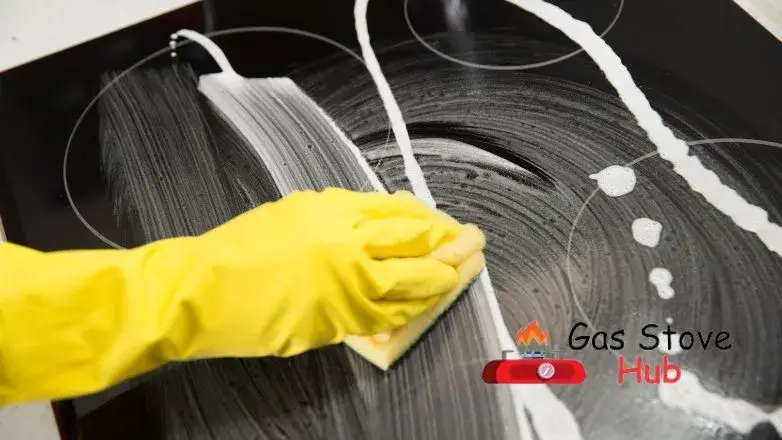
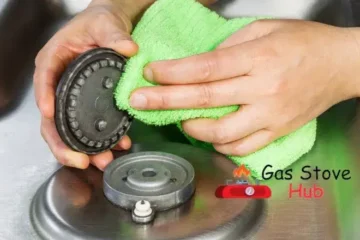
- Let the surface cool, then wipe it with a damp cloth and a mild cleaner or cooktop cream.
- For stubborn marks, use a cooktop scraper at a low angle with gentle pressure, or apply white vinegar or a specialised cooktop cream and dab the stain rather than scrubbing hard.
- Finish with a dry, soft cloth so no streaks remain. Our full Guide on How to Clean an Induction Stove covers deep cleaning, stains and what to avoid in detail.
Caution: avoid pouring water directly onto the cooktop, since it is an electrical appliance. Apply cleaners to a cloth rather than the surface itself, and keep the control panel only lightly damp.
Storing an Induction Cooktop After Use
- Make sure the cooktop is completely dry before storing it.
- Cover a portable cooktop with a dry cloth to protect the surface between uses.
- Keep a portable unit somewhere easy to reach for your next cooking session. This does not apply to built-in cooktops, which stay fitted in the counter.
Induction Cooktop Features Explained
Smart Button Control
Some models let you adjust settings from a short distance using a remote or app, useful when your hands are busy with other prep.
Pause Button
If another task pulls you away, the pause function holds the current settings so you can step back in without restarting.
Delay Set Function
This lets you schedule cooking to begin automatically at a later time, useful for dishes you want ready at a specific hour.
Preset Menu Programs
Many mid-range and higher cooktops include preset programs such as grill, boil, steam, stir-fry and warm, where the cooktop manages timing and heat automatically once you select the mode. A wok placed in a depressed induction zone also works well for stir-frying, roasting and steaming.
Child Lock
Locks the current settings so the cooking program cannot be changed accidentally while food is on the cooktop.
Residual Heat Indicator
After cooking, the cookware and the surface directly beneath it stay warm for a short while. Wait until the residual heat light turns off before touching that area, since this indicator exists specifically to prevent burns.
Overheat and Safety Cut-off
If a cooking zone is left on without any change for an extended period, most cooktops shut themselves off automatically. Higher heat settings typically cut off within 1 to 1.5 hours, while lower settings can run for around 9 hours before an automatic shutoff, though this varies by model and should not be relied on as a substitute for turning the cooktop off yourself.
Induction Cooking FAQs
Which is easier to clean, induction or gas stoves?
Induction, since the flat glass-ceramic surface has no burners or grates to clean around and wipes clean with a damp cloth.
How long does it take to boil water on induction?
Around 90 seconds to two minutes for a small pan at a high power setting, though this depends on the cooktop’s wattage and how much water is in the pan.
Why does my induction cooktop not heat up?
The most common reason is non-magnetic cookware. Test the pan’s base with a fridge magnet. If it does not stick, the pan will not work on induction regardless of the settings.
Do I need to change my cooking habits for induction?
Yes, mainly around speed. Start at a lower power level than you used on gas, since induction responds and heats almost instantly, and adjust from there rather than defaulting to a high setting.
Can I use a wok on an induction cooktop?
Yes, provided the wok has a magnetic base. Some cooktops include a depressed zone shaped for a wok, which improves contact and heating.
Is induction cooking safe for a kitchen with children?
It is generally considered safer than an open flame, since the surrounding surface stays cooler and most models include a child lock and an automatic shutoff if no cookware is detected.
Conclusion
Induction cooktops use electromagnetism to heat cookware directly, which makes them fast, easy to clean, and free of open flames. Once you have induction-compatible cookware, use the right power level for the task, avoid dragging pans, and keep the surface clean, cooking on induction becomes second nature within a few sessions. If you are still comparing induction against a traditional stove, our guide to The Pros and Cons of Induction Cooktops and our Induction Cooktop Problems and Solutions post cover what to expect before you buy.