Last updated: 29 September 2026 by the Gas Stove Hub team
Gas stoves remain the centrepiece of most Indian kitchens, and brands keep adding new features to stand out, ignition type being one of the most visible. Based on how the burner lights, gas stoves fall into two broad categories: Manual and Automatic Ignition. Since an automatic gas stove lights without a matchstick or lighter, a common question follows naturally: is an automatic gas stove actually safe to use? This guide covers how auto ignition works, what makes it safer or riskier than manual ignition, and the safety habits that matter regardless of which type you own.
What Is an Automatic Gas Stove?
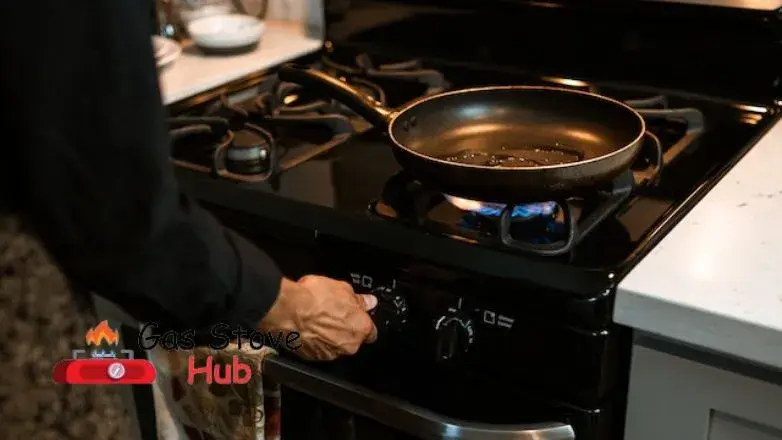
An automatic gas stove lights its burners on its own the moment you turn the knob, without needing a separate matchstick or Lighter. Turning the knob both opens the gas supply and triggers a spark at almost the same moment, which lights the burner.
How Auto Ignition Actually Works
There are two common ignition systems used in home gas stoves.
- Piezo ignition: turning the knob compresses a small piezoelectric crystal, which generates a high-voltage spark without needing any battery or mains power. This is the most common type on Indian gas stoves and keeps working even during a power cut.
- Battery or electronic ignition: a small battery powers a spark plug under each burner, or in some premium built-in hobs the ignition draws from mains electricity. Battery-based systems need the battery replaced periodically, and mains-powered systems can usually still be lit manually if the power goes out.
Our detailed explainer on What Auto Ignition Gas Stoves Are and How They Work goes deeper into the mechanics of each type.
Is an Automatic Gas Stove Safe? Safety Guidelines
Since auto ignition removes the need to hold a lit matchstick near the burner, it does cut out one specific accident risk that manual stoves carry. Several manufacturer and industry comparisons also point out that many auto ignition models pair the spark igniter with a flame failure or gas leak sensor, which shuts the gas supply off within seconds if it senses a leak, something a basic manual stove typically does not have. That said, auto ignition does not eliminate every gas safety risk. A worn hose, a loose regulator connection, or careless handling around the stove can still cause a leak or accident on either type. Follow these safety guidelines regardless of which ignition type your stove uses.
- Read the manual that came with your specific stove. Ignition mechanisms and safety features vary between brands and models, and the manual tells you exactly what your unit does and does not include.
- Inspect the gas pipe regularly and replace an ordinary rubber tube every two years and an ISI-marked Suraksha hose every five years, as oil company guidance advises, or sooner if it looks cracked, feels stiff, or is past the date printed on it. Our Guide to Cleaning and Checking Gas Stove Pipes covers the leak-test steps in detail.
- Keep flammable items, including cloth, paper and loose clothing, well away from the burners.
- Never leave the stove unattended while cooking. Stepping away to answer the door or check a phone is one of the most common causes of kitchen fires.
- Clean and maintain the stove regularly. Grease buildup near the igniter can weaken the spark and cause repeated clicking, which some people mistake for a mechanical fault.
- If you smell gas, do not use the ignition at all. Turn off the cylinder, ventilate the room, and check the connections with soapy water rather than trying to light the stove.
Auto Ignition vs Manual Ignition: Key Differences
| Factor | Automatic Ignition | Manual Ignition |
|---|---|---|
| How it lights | Built-in spark igniter, triggered by the knob | External matchstick or lighter |
| Works during a power cut | Yes, if piezo-based (most common) | Yes, always |
| Convenience | Faster, single motion | Requires a separate flame source each time |
| Common extra safety features | Often paired with flame failure or leak sensors on higher-end models | Usually basic, fewer built-in sensors |
| Maintenance | Igniter or battery may need occasional attention | No igniter to maintain |
| Price | Generally higher | Generally lower |
Our full comparison of Auto Ignition Gas Stove Advantages and Disadvantages and our Buying Guide for Choosing a Gas Stove go further into which type fits different households.
Troubleshooting an Automatic Gas Stove That Won’t Light
- Repeated clicking with no flame: usually grease or moisture near the spark plug, or the burner cap not seated properly. Clean the area and reseat the burner cap.
- No clicking sound at all: on a battery model, check and replace the battery first, since this is the most common cause.
- Weak or inconsistent spark: the piezo crystal or igniter may be wearing out with age and typically needs replacement by a technician rather than a DIY fix.
- Gas smell but no ignition: stop trying to light it. Turn off the cylinder, ventilate the room, and check for a leak before attempting to use the stove again.
Why Automatic Gas Stoves Have Become Popular
A few practical reasons explain why more households are choosing auto ignition over manual stoves.
- No separate flame source needed. You are not holding a lit matchstick or lighter near an open gas outlet, which removes one specific point of risk that manual stoves carry.
- Often paired with extra safety features. Many mid-range and premium auto ignition models include a flame failure device or leak sensor, which a basic manual stove typically lacks.
- Faster and more convenient. A single turn of the knob lights the burner, compared with juggling a matchstick or lighter while also turning the knob.
- A cleaner, more modern look. Auto ignition stoves generally come with updated designs, though this is a cosmetic preference rather than a safety factor.
The trade-off is cost: auto ignition stoves are generally priced higher than manual ones, and a piezo igniter or battery-based spark plug can eventually wear out and need replacement.
Automatic Gas Stove Safety FAQs
Is an automatic gas stove safer than a manual one?
Generally, yes, mainly because it removes the need for a separate flame source near an open gas outlet, and many models add extra safety sensors. It does not remove every gas safety risk, so pipe checks and attentive cooking still matter.
Does an automatic gas stove work without a battery?
If it uses piezo ignition, yes, since the spark comes from mechanical pressure rather than a battery. If it uses battery or electronic ignition, it needs a working battery or power supply, though most can still be lit manually as a backup.
Why does my automatic gas stove click but not light?
This usually points to grease or moisture around the spark plug, a burner cap that is not sitting flat, or a weak spark from an ageing igniter. Clean the area and reseat the cap first, and have the igniter checked if the problem continues.
Do I still need to check the gas pipe if I have an automatic stove?
Yes. The ignition type has no effect on the condition of the hose. Check it regularly and replace it on schedule, which oil company guidance puts at every two years for an ordinary rubber tube and every five years for a Suraksha hose, or sooner if it looks worn.
What should I do if I smell gas near an automatic stove?
Do not attempt to light it. Turn off the cylinder immediately, ventilate the room by opening windows and doors, and check the connections with soapy water once it is safe to do so. If the smell persists, contact your gas supplier.
Is a flame failure device the same as auto ignition?
No. Auto ignition is about how the burner lights, while a flame failure device is a separate safety feature that cuts the gas supply if the flame goes out unexpectedly. Not every auto ignition stove includes one, so check the specification of your specific model.
Conclusion
An automatic gas stove is generally a safer and more convenient choice than a manual one, mainly because it removes the need for a separate flame source and, on many models, adds sensors a basic manual stove does not have. That said, the ignition type is only one part of kitchen safety. A worn gas pipe, an unattended flame, or clutter near the burners can cause an accident on either type of stove, so the habits in this guide matter regardless of which one you own. If you are deciding between the two before a purchase, our Comprehensive Gas Stove Buying Guide and our safety explainer on Whether Gas Stoves Can Explode are worth reading next.