Last updated: 30 September 2026 by the Gas Stove Hub team
Your gas stove looks spotless the day it comes home. A few weeks of regular cooking later, splatters and baked-on grease start to show. This guide covers four reliable ways to deep clean a gas stove, from a quick daily wipe to the ammonia bag method for seriously stuck-on grime, along with safety notes, how often each part actually needs attention, and what to avoid.
How Often Should You Deep Clean a Gas Stove?
- After every use: a quick wipe of the top and around the burners stops fresh spills from baking on.
- Weekly: lift the grates and burner caps and give them a proper soapy wash.
- Monthly, or whenever grease has visibly built up: a full deep clean using one of the methods below.
Before You Start
Turn off the cylinder knob and let the stove cool completely before cleaning anything. You will need a soft cleaning cloth or sponge, dish soap, a kitchen towel, and a non-scratch scrub brush for stubborn spots. Dampen the cloth with a little dish soap and wipe the stove body gently. Avoid letting water drip into the burner holes, since trapped moisture can affect how evenly the burner lights afterward. If a stain needs real soaking to loosen, remove the burner first rather than wetting it in place.
If you also need to check the gas pipe or burner ports themselves, our Guide to Cleaning Gas Stove Pipes, Burners and Grates covers that in detail.
Method 1: Vinegar
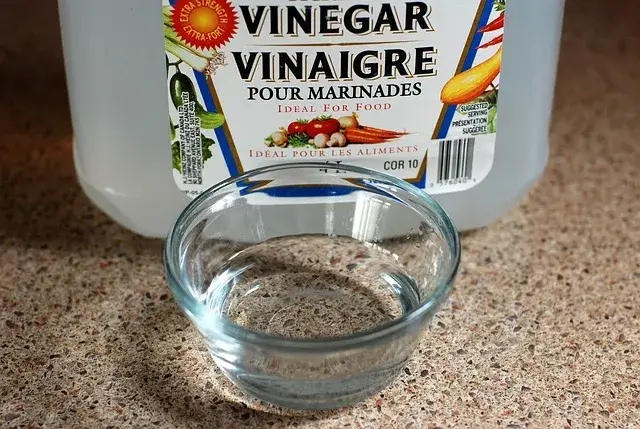
Sprinkle white vinegar onto the burners and stove top, let it sit for 10 to 15 minutes, then wipe it away with a soft cloth. Vinegar is mild enough to use often and works best on light, fresh grease rather than grime that has already hardened, so it is a good everyday or every-few-days option rather than a last resort for heavy buildup.
Method 2: Baking Soda
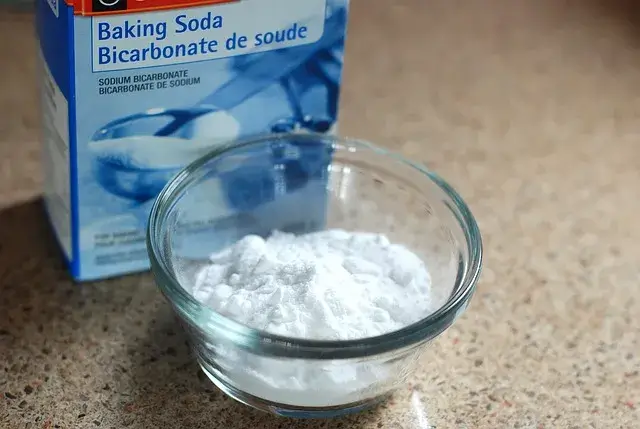
Baking soda handles grease that vinegar alone cannot shift. Wipe off the surface dirt first with warm, soapy water, then mix baking soda with a little water into a thick paste and spread it over the burners or stove top. Leave it for about 20 minutes, then scrub gently with a sponge to lift the softened residue.
Method 3: Dish Soap and Water
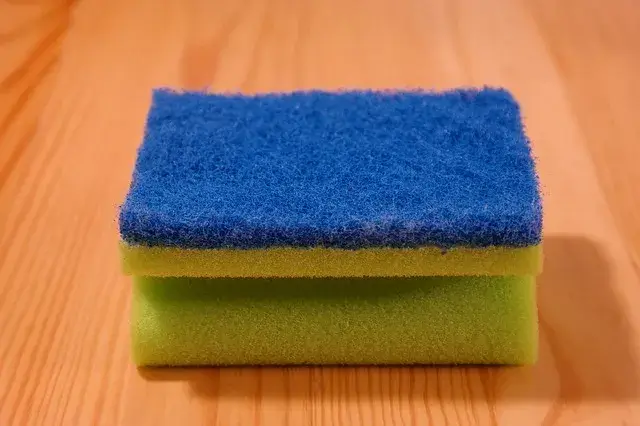
This is the simplest and most common method. Remove the burners and knobs where possible, add a little dishwashing liquid to a damp sponge, and wipe down the stove top. Rinse the sponge and go over the surface again until no soap residue remains, then finish with a dry, soft cloth for a streak-free result.
Method 4: The Ammonia Bag Method (For Heavy, Baked-On Grease)
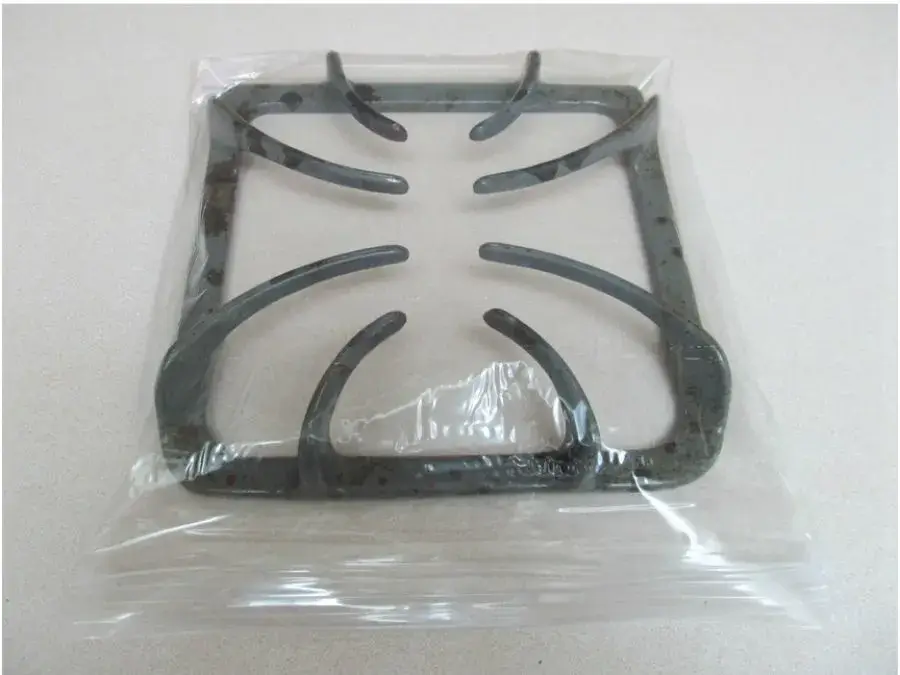
This method is specifically for grates and burner caps with heavy, carbonized buildup that other methods struggle to shift, and it works entirely through fumes rather than scrubbing. It is effective, but ammonia is a strong chemical, so the safety steps below are not optional.
Safety Precautions Before You Start
- Never mix ammonia with bleach or any bleach-based cleaner. The combination produces toxic chloramine gas, which can be dangerous even in small amounts.
- Wear rubber gloves when handling ammonia and the grates afterward.
- Keep the sealed bag in a well-ventilated area or outdoors overnight, not inside a closed kitchen.
- Avoid breathing in the fumes directly when you open the bag the next day, and open it facing away from you.
- Keep the bag well out of reach of children and pets at every stage.
How to Use the Ammonia Bag Method
- Place each grate or burner cap into its own large, sealable plastic bag.
- Add about a quarter cup of household ammonia to each bag. You do not need to submerge the grate, since it is the trapped fumes that loosen the grease, not direct contact with the liquid.
- Seal each bag tightly and leave it in a well-ventilated spot, ideally outside, overnight.
- The next day, wearing gloves, open the bags away from your face and remove the grates.
- Rinse thoroughly under running water, then wash with dish soap to remove any remaining ammonia residue.
- Dry completely before placing the grates back on the stove.
Bare cast iron grates should not be soaked in liquid for long periods, since this strips their seasoning and invites rust. The ammonia bag method is fume-based rather than a liquid soak, which makes it a reasonable option for cast iron, but re-season bare cast iron with a thin coat of cooking oil after a deep clean either way.
A Note for Glass Top Stoves
If your stove has a glass top rather than a standard enamel or steel surface, skip the baking soda scrub and the ammonia method for the glass itself, since abrasive pastes and harsh fumes can dull or damage the surface over time. Our guide on Common Glass Top Gas Stove Problems covers the gentler cleaning approach that type needs.
What to Use and What to Avoid
| Safe to use | Avoid |
|---|---|
| White vinegar for light, fresh grease | Mixing ammonia with bleach or bleach-based cleaners |
| Baking soda paste for moderate buildup | Soaking bare cast iron in liquid for long periods |
| Ammonia bag method for heavy, baked-on grease | Abrasive scrubbing or ammonia on glass tops |
| Dish soap and warm water for everyday cleaning | Letting water drip into burner holes |
Deep Clean Gas Stove FAQs
How often should I deep clean my gas stove?
Wipe it after every use, give the grates and burner caps a proper wash weekly, and do a full deep clean monthly or whenever grease has visibly built up.
Is the ammonia bag method safe to use?
Yes, when used carefully. Wear gloves, keep the bag in a well-ventilated area, avoid breathing in the fumes when opening it, and never mix ammonia with bleach, since the combination produces toxic gas.
What removes baked-on grease best?
A baking soda paste handles most moderate buildup. For heavy, carbonized grease that will not budge, the ammonia bag method loosens it overnight so it wipes off the next day with far less scrubbing.
Can I use the ammonia method on a glass top stove?
It is best avoided on the glass surface itself. Use it only on removable metal grates or burner caps, and clean the glass top with a gentler, dedicated method instead.
Should I soak cast iron grates in water?
Avoid long soaks for bare, uncoated cast iron, since this strips the seasoning and can lead to rust. A quick wash and immediate drying works better, and re-oiling after a deep clean helps maintain the seasoning.
Conclusion
Keeping a gas stove genuinely clean is less about any single trick and more about matching the method to how dirty it actually is: vinegar for light daily grime, baking soda for moderate buildup, and the ammonia bag method, used carefully, for the heavy grease that nothing else seems to touch. A few minutes of regular wiping saves a lot of scrubbing later. If you are also due for a check on the gas pipe itself, our guide on Cleaning and Checking Gas Stove Pipes is worth reading next.