Last updated: 30 September 2026 by the Gas Stove Hub team
An automatic ignition gas stove lights its burners on its own the moment you turn the knob, with no matchstick or lighter needed. This guide explains what auto ignition actually is, how the two main types work, what features to expect, and how to troubleshoot the most common issues before calling a technician.
What Is an Auto Ignition Gas Stove?
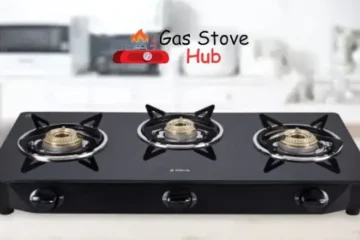
On a standard gas stove, you need a separate flame source, a matchstick or a Gas Lighter, to light the burner once you open the gas supply. An auto ignition gas stove removes that step entirely. Turning the knob both opens the gas and triggers a spark at nearly the same moment, so the burner lights on its own.
How Auto Ignition Actually Works
There are two distinct ignition systems used in home gas stoves, and they work quite differently from each other.
Piezo Ignition
Turning the knob compresses a small Piezoelectric crystal, which produces a high-voltage spark purely through mechanical pressure. This system needs no battery and no mains power, so it keeps working through a power cut. It is the most common ignition type on Indian gas stoves and needs very little maintenance, since there is no battery to replace and no circuit to fail.
Battery or Electronic Ignition
A small battery, usually one or two AA cells, powers a spark plug under each burner. Some premium built-in hobs instead draw ignition power directly from the mains. Battery-powered models need the battery replaced every few months depending on use, and most can still be lit manually as a backup if the battery dies or the power goes out.
Neither type is strictly better than the other. Piezo ignition needs less ongoing maintenance and works regardless of power, while electronic ignition can feel marginally smoother to use and is common on higher-end hobs with additional features.
Features Commonly Found on Automatic Gas Stoves
Auto ignition stoves, particularly mid-range and premium models, tend to come with a few additional features worth knowing about.
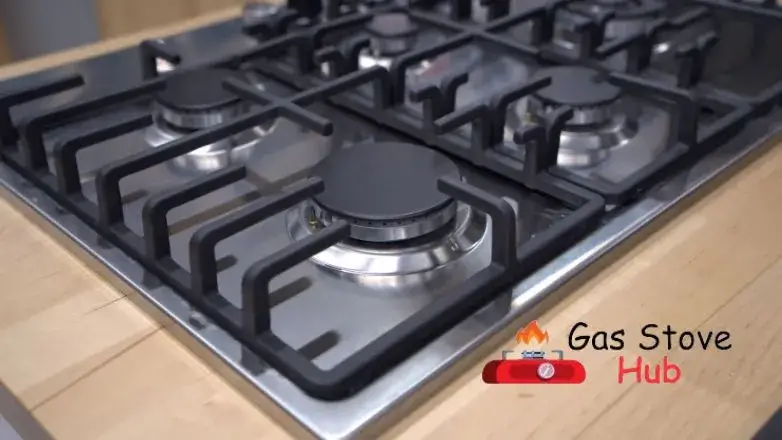
- Toughened glass or stainless steel tops: more resistant to minor impact damage than basic enamel finishes.
- Brass or stainless steel burners: resist corrosion and distribute heat more evenly than cheaper alloys.
- Flame failure protection: a safety sensor that cuts the gas supply if the flame goes out unexpectedly, available on many but not all auto ignition models.
- A smooth, weighted metal knob: for consistent, reliable ignition over years of use.
Not every auto ignition stove includes all of these, so it is worth checking the specification of a specific model rather than assuming a feature is standard. For a fuller look at what the technology gets right and where it falls short, see our Auto Ignition Gas Stove Disadvantages and Advantages guide.
Auto Ignition Gas Stove Safety
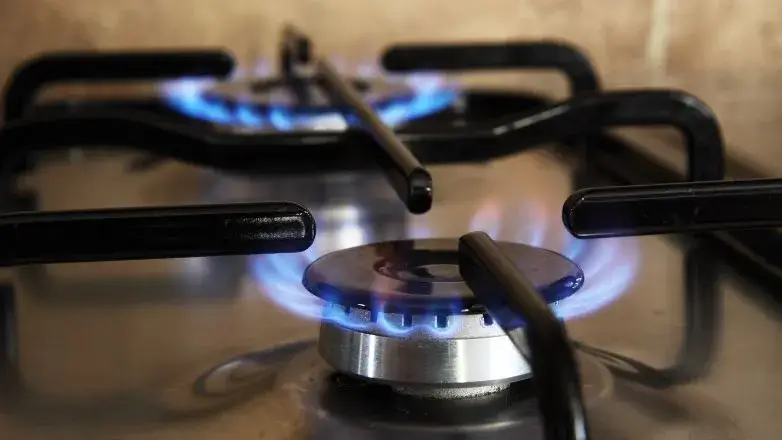
Since you are not holding a lit matchstick or lighter near an open gas outlet, auto ignition removes one specific point of risk that manual stoves carry. Many models, particularly those with flame failure protection, add a layer of safety a basic manual stove typically lacks. That said, the ignition type has no bearing on the condition of the gas pipe itself, so regular pipe checks and attentive cooking habits still matter regardless of which type you own. Our detailed guide on Is Automatic Gas Stove Safe covers this in full, including the safety habits that apply to every stove type.
Burner durability matters too. Stainless steel and brass burners resist corrosion and hold up better to the heavy, frequent use of a daily kitchen, and a sturdy top reduces the risk of damage from an accidental knock or dropped pan.
Troubleshooting Common Auto Ignition Problems
Repeated Clicking With No Flame
This is usually caused by food particles, grease or moisture blocking the burner ports or sitting on the igniter itself, which weakens the spark. Clean the burner caps and the area around the igniter with a dry cloth, and make sure everything is completely dry before relighting, since even a little moisture can cause this.
No Clicking Sound at All
On a battery-powered model, check and replace the battery first, since this is by far the most common cause. If a fresh battery does not fix it, the spark module or igniter itself may need professional attention.
Weak or Inconsistent Spark
A piezo crystal or electronic igniter can wear out gradually with age. This typically needs replacement by a qualified technician rather than a DIY repair, since it involves the stove’s internal electrical components.
For a more complete breakdown of less common issues and their fixes, see our Auto Ignition Gas Stove Problems and Remedies guide.
Auto Ignition Gas Stove FAQs
What are the types of auto ignition gas stoves?
There are two main types. Piezo ignition generates a spark mechanically when the knob is turned and needs no battery or power. Battery or electronic ignition uses a small battery or, on some premium hobs, mains power to generate the spark.
What should I check before buying an auto ignition gas stove?
Consider the number of burners you need, the burner material (stainless steel and brass hold up well), whether it includes flame failure protection, and whether you prefer piezo ignition for its power-cut reliability or electronic ignition for its smoother feel. Our Comprehensive Gas Stove Buying Guide covers the full decision in more depth.
What should I do if the ignition makes a clicking noise but the burner does not light?
Clean grease, food debris or moisture from around the burner ports and igniter, and let everything dry fully before trying again. If the clicking continues after cleaning, the igniter or spark module may need a professional check.
Does an auto ignition gas stove work during a power cut?
If it uses piezo ignition, yes, since the spark is generated mechanically rather than electrically. If it uses battery ignition, it will keep working as long as the battery has charge, independent of mains power. Only mains-powered electronic ignition on certain premium hobs is affected by a power cut, and even those can usually still be lit manually.
Is piezo or electronic ignition better?
Neither is objectively better. Piezo needs almost no maintenance and is unaffected by power or battery issues, while electronic ignition can feel smoother and is often paired with additional features on higher-end stoves. The right choice depends on what you value more.
Conclusion
An auto ignition gas stove removes the hassle of matchsticks and lighters by generating its own spark, either mechanically through a piezo crystal or electrically through a battery or mains-powered system. Both types are reliable when kept clean and well maintained, and most common problems, clicking with no flame, a weak spark, or no response at all, trace back to moisture, debris or a spent battery rather than a serious fault. If you are weighing whether to buy one, our guides on the Auto Ignition Gas Stove Disadvantages and Advantages and Is Automatic Gas Stove Safe are worth reading next.