Last updated: 30 September 2026 by the Gas Stove Hub team
Glass top gas stoves have become a popular choice in modern Indian kitchens for their sleek, minimal look. They still run on LPG, with the burners cut directly into the glass panel, so the cooking performance is fundamentally the same as a standard steel gas stove. What differs is how the glass surface itself needs to be handled. This guide covers the real problems glass top owners run into, the remedies for each, and the habits that keep the glass intact for years.
Common Glass Top Gas Stove Problems
1. Scratches and Cracks
The glass surface is more prone to surface marks than a standard steel top, and this is the single biggest maintenance difference between the two.
- Lift cookware on and off the surface rather than sliding it, since dragging is the most common cause of visible scratch marks.
- Avoid rough-bottomed cast iron and well-worn aluminium cookware, which scratch the glass more than enamelled iron or stainless steel.
- Use cookware that sits flat and stable on the burner, since a wobbly pan is more likely to be dragged or knocked.
2. Cleaning Takes More Care
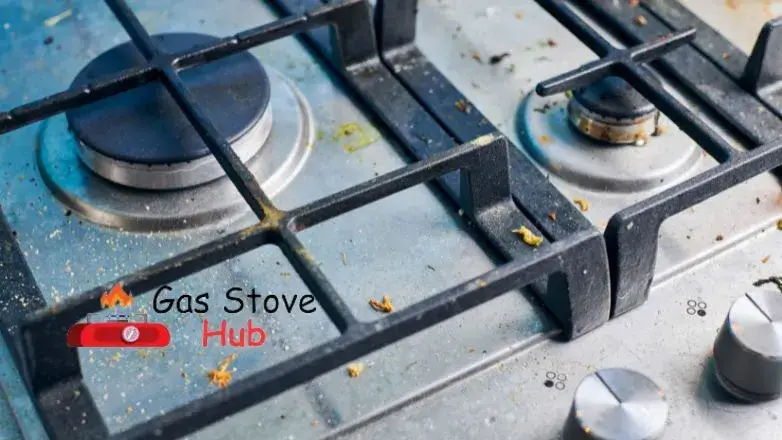
Oil, grease and spills show up more visibly on glass than on steel, so it needs more frequent attention to stay looking clean. Wipe the surface with a non-abrasive detergent, a soft cloth, and the burners fully cooled, rather than scrubbing with anything coarse. White vinegar followed by a baking soda paste, left to sit for about 15 minutes before wiping off with a damp cloth, handles most stains without scratching the glass. Finish with a dry cloth to avoid water spots. Our Full Guide to Deep Cleaning a Gas Stove goes into more detail on this method and a few others.
3. Cracked Glass Is Hard to Repair Properly
The glass used is tempered to resist everyday stress and heat, but it can still crack from a heavy impact or extreme temperature shock. Epoxy or windshield-style repair kits can hide a small crack cosmetically, but they are not built to withstand the direct heat a stove generates, so they are a short-term fix at best. For a crack that affects how the stove functions, or one that is growing, contact the manufacturer for a replacement glass panel rather than attempting a repair, and have it fitted by a professional.
4. Clogged Burners
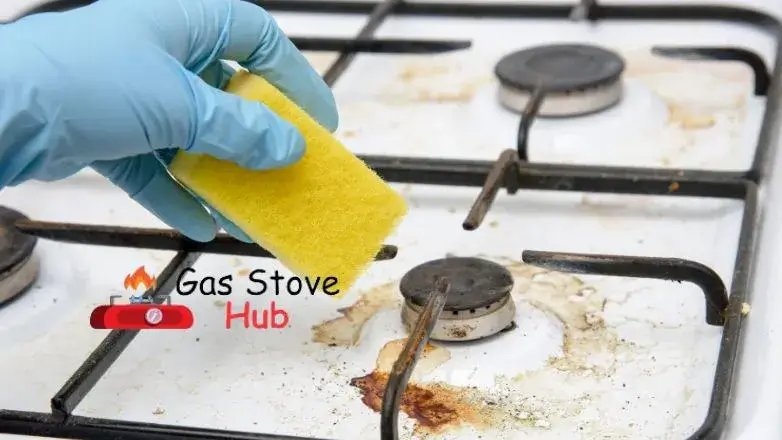
Because the burner is set into the glass rather than standing freely, spills can settle into the gap around it more easily than on a raised steel burner. A clogged burner shows up as a weak or uneven flame. Clean the burner ports regularly with a soft toothbrush once they have cooled, and never cover the burner to keep it clean, which leads directly into the next problem.
Glass Top Gas Stove Safety and Care Tips
These habits prevent most of the problems above before they start.
Never Enclose or Cover the Burner
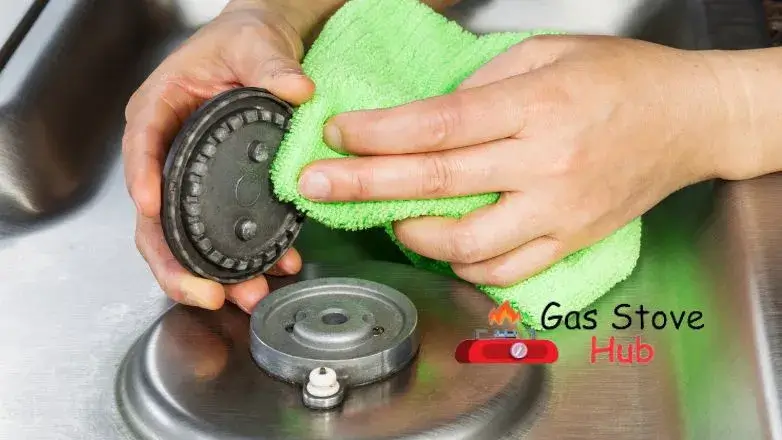
Covering a burner to keep it clean between uses is a common habit, but it traps heat against the glass and raises the pressure the surface has to withstand. Over time, this significantly increases the risk of the glass cracking. Clean the burner directly instead of covering it.
Use Correctly Sized, Appropriate Cookware
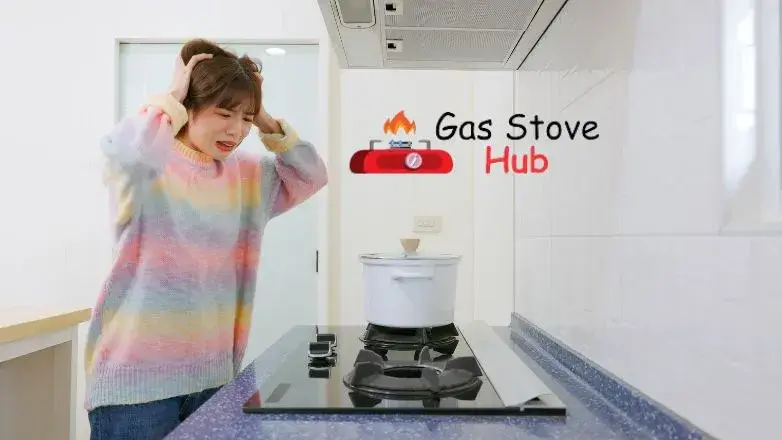
Oversized cookware can rock unevenly on the burner and traps more heat around its base than the glass is designed for in that spot. Stick to pans and pots that match the burner size and sit flat and stable.
Avoid Resting Heavy Cookware on the Glass
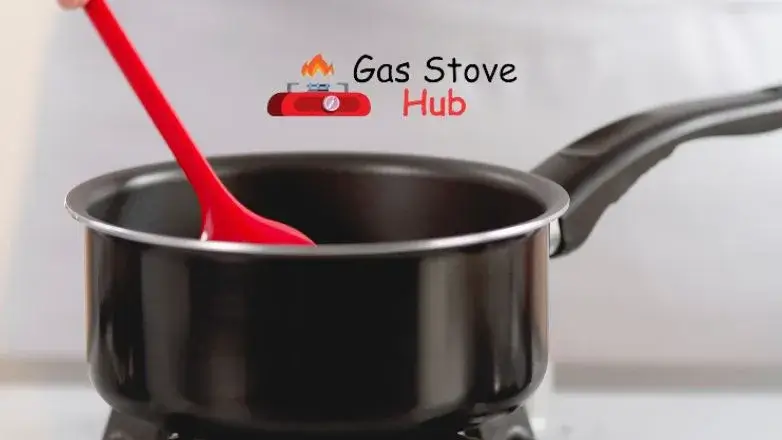
A heavy cast iron pot, especially once filled with food, puts real pressure on the glass directly beneath it. Lighter stainless steel or enamelled iron cookware is a safer everyday choice for a glass top.
Glass Top vs Steel: Is Heating Really Different?
It is worth addressing a common misconception directly: a glass top gas stove does not heat slower or less evenly than a steel one. Both run on the same LPG fuel through the same burner design, and the glass panel is simply the surface the burner is set into, not the medium the heat has to travel through, unlike a sealed electric glass-ceramic cooktop. Industry comparisons from manufacturers such as Prestige confirm that heat distribution on a gas stove depends on burner design rather than the surface material. If you are deciding between the two surface types for your next stove, see our comparison of Induction Cooktop Issues if electric cooking is also on your list, since that is where heating speed differences genuinely come into play.
Glass Top Gas Stove Problems FAQs
Does a glass top gas stove cook slower than a steel one?
No. Both use the same gas burners, so cooking speed and heat distribution are essentially the same. The glass is a surface material, not part of the heating mechanism.
Can I use cast iron cookware on a glass top gas stove?
You can, but it increases the risk of scratches and puts more weight pressure on the glass than lighter cookware. Enamelled iron or stainless steel are gentler, lower-risk choices for daily use.
Why did my glass top crack even though I was careful?
A sudden temperature change, such as placing a very cold or wet pan straight onto a hot surface, or an unseen impact, can crack tempered glass even with careful daily use. If this happens, avoid DIY repair kits and contact the manufacturer for a replacement panel.
Is it safe to cover the burner to keep it clean?
No. Covering a burner traps heat against the glass and raises the pressure on the surface, which increases the risk of cracking over time. Clean the burner directly instead.
How do I remove stubborn stains from a glass top without scratching it?
Wipe with white vinegar, then sprinkle baking soda over the stain and let it sit for about 15 minutes before wiping away with a damp cloth. Avoid abrasive scourers or steel wool on the glass.
Conclusion
A glass top gas stove cooks exactly like any other gas stove, since the glass is a surface choice rather than a heating mechanism. The real trade-off is maintenance: scratches, stains and cracks show up more easily than on steel, and a few simple habits, lifting rather than sliding cookware, cleaning the burner instead of covering it, and avoiding oversized or very heavy pots, prevent most of the problems in this guide. If you are comparing glass top against a standard steel stove before buying, our Guide to Cleaning a Stainless Steel Stove is worth reading alongside this one.