Last updated: 30 September 2026 by the Gas Stove Hub team
Auto ignition gas stoves are genuinely convenient, but like any mechanical and electrical feature, they come with a few real drawbacks. This guide focuses specifically on those disadvantages, what causes each one, and the practical remedies that prevent most of them from becoming a real problem. For a broader look at the technology itself, our guide on What Is Auto Ignition and How It Works covers the mechanism in detail.
Are Auto Ignition Stoves Worth the Trade-offs?
Across the major Indian brands, including Prestige, Sunflame, Elica and Glen, the practical drawbacks of auto ignition are relatively minor compared to the convenience it offers, and most of them come down to moisture exposure and routine wear rather than a fundamental flaw in the technology. Piezo ignition, which needs no battery at all, avoids several of these issues entirely, so which type you own changes how relevant this list is to you.
Disadvantages of Battery-Powered Auto Ignition
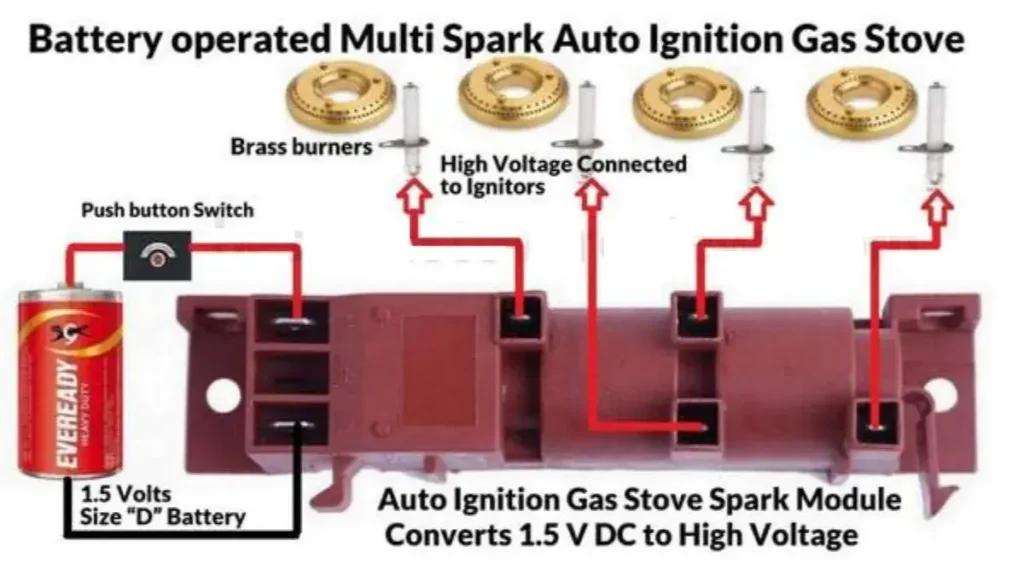
These drawbacks apply specifically to battery or electronic ignition systems, which use a standard AA or D-size battery to power a spark generator. Piezo ignition, covered further down, avoids all of these since it has no battery or wiring.
- Periodic battery replacement is needed, typically every few months depending on how often the stove is used.
- Moisture reaching the internal wiring, usually from spills or over-enthusiastic cleaning, can cause the battery to discharge faster than normal or the spark to become intermittent.
- Spark plugs can corrode over time with repeated exposure to steam and spills, which weakens the spark.
- The spark generator itself can wear out or fail after extended use, usually needing professional replacement.
- The ignition switch or button can get sticky or stop responding if oil, masala residue or food particles build up around it.
Practical Remedies for Each Problem
- Keep the stove consistently clean rather than letting spills sit, since residue is the root cause of most of these issues.
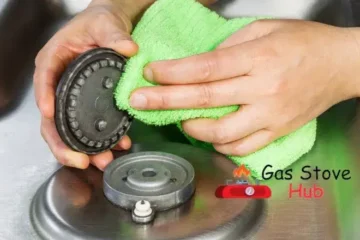
- Never pour water directly over the stove to clean it. Apply a cleaning solution to a damp cloth instead and wipe the surface, keeping liquid away from the ignition switch and any visible wiring.
- Watch for boiling-over liquids, particularly milk, which can run into the switch area and cause the same moisture damage as a direct spill.
- Clean around the ignition switch gently with a dry or barely damp cloth to clear oil and food particles before they harden and jam the mechanism.
- Keep a spare battery on hand so a weak spark does not leave you unable to cook, and replace it as soon as the spark starts to feel inconsistent rather than waiting for it to fail completely.
Piezo vs Battery: Which Has Fewer Drawbacks?
There are two distinct auto ignition mechanisms used in home gas stoves.
Battery-Operated Ignition
This is the simplest and most affordable auto ignition system, and it is what most budget gas stoves use. A standard AA or D-size battery powers a spark generator connected to spark plugs near each burner. Its main drawbacks are exactly the ones listed above, since it relies on a battery and a small amount of internal wiring that moisture can reach.
Piezoelectric Ignition
Piezoelectric Ignition works on a different principle entirely. Turning the knob compresses a small crystal, producing a high-voltage spark through mechanical pressure alone, with no battery or wiring involved. This means there is no battery to replace and no circuit for moisture to short out, which removes most of the disadvantages covered in this guide. The trade-off is that a worn piezo crystal, which happens gradually after years of use, needs replacement by a technician rather than a quick battery swap.
When to Repair It Yourself, and When Not To
A few fixes are safe and simple enough to do yourself: replacing the battery, and reseating an obviously loose wire connection you can see without opening anything up. Beyond that, it is best not to attempt a repair yourself. Opening up the stove’s wiring or spark generator involves both the gas supply and an electrical component, and incorrect reassembly can affect how safely the stove ignites. If cleaning the switch and replacing the battery do not resolve the issue, call a qualified technician rather than continuing to investigate on your own.
For a wider troubleshooting checklist covering more scenarios, our guide on Auto Ignition Gas Stove Problems and Remedies goes further into diagnosing specific symptoms.
Auto Ignition Gas Stove Disadvantages FAQs
Do all auto ignition gas stoves have the same disadvantages?
No. Most of the drawbacks covered here apply specifically to battery-powered ignition. Piezo ignition avoids nearly all of them, since it has no battery or wiring for moisture to damage.
How often does the battery need replacing?
It varies with how often the stove is used, but typically every few months. A weak or delayed spark is usually the first sign it is time for a fresh battery.
Can I prevent moisture damage to the ignition wiring?
Yes, largely. Avoid pouring water directly onto the stove, clean with a damp cloth rather than a soaked one, and watch for boiling-over liquids that can run into the switch area.
Is it safe to open the stove and fix the wiring myself?
It is best avoided beyond simple checks like a loose, visible wire or a battery swap. Internal wiring repairs involve both gas and electrical components, so a qualified technician should handle anything beyond the basics.
Why has my ignition switch stopped responding?
This is usually oil, masala or food debris that has built up around the switch and jammed it. Clean around it gently and regularly to prevent this from happening.
Conclusion
The real disadvantages of auto ignition are modest and almost entirely preventable: keep moisture away from the wiring, clean the switch regularly, and keep a spare battery on hand if your stove uses one. Choosing piezo ignition sidesteps most of these concerns entirely if you are shopping for a new stove. If your stove is showing a specific symptom rather than a general wear issue, our Auto Ignition Gas Stove Problems and Remedies guide can help you diagnose it further.