A gas oven and an electric oven both bake and roast food, but the controls, heating pattern, preheating behaviour and safety checks are different. This guide explains how to use each type, set a suitable temperature, position racks, improve baking results, clean the oven and recognise problems that require a technician. Always follow the manual for your exact model, especially when lighting a gas oven.
Written by Abdul Khader, researcher and writer at Gas Stove Hub. Last updated: October 26, 2026
Gas Oven vs Electric Oven: Key Differences
| Feature | Gas Oven | Electric Oven |
|---|---|---|
| Heat source | A gas burner, often beneath the oven cavity | Electric heating elements, often at the top and/or bottom |
| Preheating | Timing and temperature stability vary by model | Timing and temperature stability vary by model |
| Heat pattern | Some models have stronger heat near the bottom or uneven zones | Many models hold temperature steadily, but hotspots are still possible |
| Controls | Usually a temperature knob or electronic control plus gas ignition | Usually a temperature control and one or more cooking modes |
| Power cuts | A gas burner may still require electricity for ignition or controls | Generally cannot heat without electricity |
| Maintenance | Gas burner, ignition system, ventilation and gas connection need proper care | Heating elements, wiring, seals, fans and controls need proper care |
These are typical differences, not guarantees for every oven. Fan-assisted gas ovens, conventional electric ovens, OTGs and convection microwave ovens behave differently. Check the appliance manual before applying any instructions.
Before You Use an Oven for the First Time
- Read the user manual and identify the oven type, ignition method, temperature control, rack positions and any child lock or timer features.
- Remove packaging, cardboard, plastic film and accessories that the manual says should not remain inside the oven during operation.
- Clean the interior and accessories only as directed by the manufacturer, then dry them fully.
- Check whether the manufacturer requires an initial empty-oven run or burn-in to remove manufacturing residues. Use only the temperature, duration, door position and ventilation instructions specified for your model.
- Make sure the oven is installed correctly, the ventilation openings are unobstructed, and the electrical supply or gas connection matches the manufacturer’s requirements.
- Do not use the oven if the gas connection, plug, cable, door, seals or glass appear damaged. Arrange authorised inspection first.
A first-use process is not identical for every oven, so avoid copying a generic high-temperature burn-in procedure from another model. See this Bosch Gas Cooker Instruction Manual as an example of why the owner’s instructions cover first use, safety, operation and installation separately.
How to Use a Gas Oven Safely
1. Check the Kitchen Before Lighting
- Make sure the oven control is off and there is no smell of LPG in the kitchen.
- Keep paper, plastic, cloth, oil containers and other combustible items away from the oven and nearby burners.
- Keep the manufacturer’s required ventilation clear and ensure the appliance has been installed and maintained by a qualified service provider.
- Check the manual to understand the oven’s ignition sequence and any flame-failure or safety device fitted to your model.
2. Follow the Oven’s Specific Ignition Procedure
Gas ovens may use electronic ignition, a battery-powered igniter, a pilot system or another model-specific arrangement. Follow the illustrated operating sequence in your own manual. Do not assume that pushing and turning a knob, inserting a match or using a lighter is correct for every oven. Never place your face or hands close to a burner opening.
If the burner does not ignite promptly, switch the oven control off and do not keep repeating attempts. Follow the manual’s instructions for the waiting period and approved next step. If you smell gas, stop completely and use the emergency steps in the section below. If the oven repeatedly fails to light, contact authorised service.
3. Set the Temperature and Preheat
Set the temperature recommended by the recipe and the oven manual. Some ovens take around 10 to 15 minutes to preheat, but a large oven or a particular model may take longer. Use the oven’s ready indicator if it has one, and consider an oven thermometer if results repeatedly differ from the dial setting.
When to Use an Oven Thermometer
An oven thermometer is useful when cakes repeatedly sink, the base browns too quickly, or the food takes much longer than the recipe suggests. Put it in a position recommended by its manufacturer, let the oven stabilise, and compare the reading with the set temperature. Avoid making large temperature adjustments until you have checked the reading across more than one cooking session.
4. Choose the Rack Position
The middle rack is a useful starting point for cakes, biscuits, muffins and many everyday dishes. A lower position may help brown the base, while a higher position can help finish the top when the recipe calls for it. Gas ovens can have stronger heat in particular parts of the cavity, so learn the pattern of your own oven rather than assuming every model has the same hot spot.
5. Place Food in Suitable Bakeware
Use trays, tins and dishes explicitly marked oven-safe. Leave space around bakeware so heat can circulate, and avoid allowing pans to touch the oven walls or block vents. Use oven gloves when handling hot racks or dishes, and pull racks out carefully so they cannot tip.
6. Monitor Cooking Without Opening the Door Repeatedly
Use the oven light and window where available. Frequent door opening can lower the temperature and affect cakes, bread and other temperature-sensitive dishes. For long bakes, check progress at the recipe’s suggested time and rotate a tray only when the food or oven’s heat pattern calls for it.
7. Turn the Oven Off and Allow It to Cool
When cooking is finished, switch the oven off using the normal control sequence. Keep children away from the door and hot trays, and allow the oven to cool before cleaning. Do not use a gas oven to heat a room.
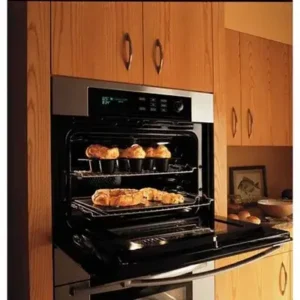
How to Use an Electric Oven
1. Check the Electrical Setup
Confirm the rated wattage and electrical requirements on the appliance label and in the manual. Use a suitable, properly earthed outlet and circuit. Do not overload a socket or use an extension lead that is not specifically rated and permitted for the appliance.
2. Select the Correct Cooking Mode
A conventional bake setting normally uses the oven’s heating elements to cook from the selected mode. Fan-assisted or convection modes circulate hot air and may cook faster or brown food differently. Grill or top-heat settings are intended for specific tasks such as browning, and they are not interchangeable with every baking mode. Follow the symbols and guidance for your exact model.
3. Preheat According to the Recipe
Set the recipe temperature and wait for the preheat signal if one is provided. If your cakes or cookies often cook too quickly or slowly, compare the dial setting with an oven thermometer before making large temperature changes.
4. Use the Correct Rack and Bakeware
Start with the middle rack for most recipes unless the manual or recipe suggests another position. Metal tins often brown differently from glass or silicone cookware. Use only bakeware rated for oven temperatures, and leave room for air circulation.
5. Finish Cooking and Switch Off
Use oven gloves to remove hot dishes and racks. Turn off the cooking mode and power control as described by the manufacturer. The elements, fan and interior surfaces may remain hot after the display indicates that cooking has finished.
Gas Oven vs Electric Oven for Baking
| Cooking task | Practical approach |
|---|---|
| Cakes and muffins | Start on the middle rack, preheat fully, and use an oven thermometer if results are inconsistent. |
| Cookies and biscuits | Leave space between trays and rotate only if the oven’s heat pattern causes uneven browning. |
| Bread and pizza | Use the temperature and rack position in the recipe. A preheated baking stone or steel is appropriate only if the oven manual allows it. |
| Roasting vegetables | Spread food in a single layer where practical, avoid overcrowding and use bakeware rated for the temperature. |
| Browning the top | Use the oven’s grill or top-heat function only as described in the manual, and supervise closely. |
| Delicate bakes | Avoid frequent door opening and verify temperature if the oven tends to overshoot or fluctuate. |
Neither gas nor electric automatically guarantees better baking. Oven design, thermostat accuracy, fan assistance, rack position, cookware and recipe method all affect the result. Some gas ovens retain more moisture during combustion, while some electric ovens maintain temperature steadily, but individual models vary.
Practical Tips for Better Oven Results
- Preheat when the recipe calls for it, especially for cakes, bread, pastry and foods that rely on a set temperature from the start.
- Use an oven thermometer to check the actual cavity temperature if results are repeatedly undercooked or overbrowned.
- Do not overcrowd the oven. Pans touching each other or the walls can restrict heat circulation.
- Use the rack position recommended by the recipe, or start in the middle when no position is specified.
- Rotate trays only when needed. Follow the recipe and your oven’s behaviour rather than rotating automatically at a fixed time.
- Do not line the oven floor with aluminium foil or block burner openings, vents or air passages. This can trap heat or interfere with appliance operation. Use a drip tray only in a position and manner the manual allows.
- Use oven gloves and place hot cookware on a heat-resistant surface, not directly on a cold or wet countertop.
- Check meat and poultry doneness with a food thermometer rather than relying only on colour or timing.
For poultry safety, the US Department of Agriculture recommends that poultry reach an internal temperature of 165°F (74°C). See the USDA Safe Minimum Internal Temperature Chart. Use any applicable Indian food-safety instructions and the recipe guidance as well.
How to Clean an Oven Safely
Routine Cleaning
- Switch the oven off and allow it to cool completely before routine cleaning.
- Remove racks or trays only as the manual permits, and clean them separately using a suitable method.
- Use a soft cloth and a cleaner approved for your oven’s interior finish. Wipe away residue rather than letting cleaner pool in vents or seams.
- Keep cleaning liquids away from gas burner ports, igniters, electrical elements, fans, sensors and openings.
- Dry the interior and accessories as required before using the oven again.
Do Not Assume Every Oven Has a Self-Cleaning Cycle
Some ovens have a self-cleaning programme, while many domestic ovens do not. High-temperature cleaning can create substantial heat and fumes and may damage accessories or finishes if used incorrectly. Use it only when the manufacturer specifically provides and explains the feature. Never improvise a self-cleaning cycle by running the oven at maximum temperature.
For more appliance-care advice, see How to Deep Clean a Gas Stove and How to Clean a Gas Stove Top.
Gas Oven Safety and LPG Emergency Steps
If you smell LPG, treat it as an emergency. Do not light the oven, use a match, smoke, operate electrical switches, turn on an exhaust fan or use a phone inside the affected area. If you can reach the regulator without entering danger, switch it off. Leave the area and call India’s LPG emergency helpline 1906 from a safe location. Follow the emergency service or distributor’s instructions and do not return until it is safe.
Never use a gas oven to heat the home, never leave the oven operating unattended for long periods, and never dismantle gas controls or repair a hose, regulator or burner yourself. Keep the kitchen properly ventilated during ordinary use, as described in the appliance manual. The Government of India’s LPG Safety Pledge advises switching off the regulator when not in use, having the installation inspected by an authorised mechanic at the recommended interval, and calling 1906 if LPG is smelled.
For additional guidance, read Can Gas Stoves Explode? and Is an Automatic Gas Stove Safe?.
Troubleshooting Common Oven Problems
The Gas Oven Will Not Light
Check the normal controls and consult the manual for the correct ignition procedure. Do not keep trying repeatedly or use an improvised lighting method. If you smell LPG, follow the emergency steps above. If there is no smell but the oven continues to fail, turn it off and arrange authorised service.
The Oven Heats Unevenly
Possible causes include hotspots, an inaccurate thermostat, an obstructed vent, overcrowding or a rack position that does not suit the food. Try a suitable rack position, allow proper preheating, and use an oven thermometer to check the temperature. If heating remains abnormal, contact the manufacturer or authorised service centre.
Food Burns on the Bottom
A strong bottom heat pattern, a tray placed too low, unsuitable cookware or an inaccurate temperature setting can cause overbrowning. Try the middle rack, check the actual temperature and follow the recipe before making large adjustments.
The Oven Smells of Gas or Has a Yellow, Sooty Flame
If you smell LPG, turn off the appliance only if safe, leave the area and call 1906 from a safe location. If a flame is persistently yellow or produces soot but there is no gas smell, switch off the appliance and arrange authorised inspection rather than adjusting the burner yourself. A gas appliance that is not burning correctly needs professional attention.
The Electric Oven Does Not Heat
Check the selected mode and timer settings, and consult the manual for any displayed code. Do not open the casing or touch internal electrical parts. If the power cable is damaged, a breaker repeatedly trips, or there is a burning smell, stop using the oven and contact a qualified technician.
The Oven Fan Continues After Switching Off
Some models run a cooling fan after cooking to protect internal parts. Check the manual to learn whether this is normal for your model. If the fan makes unusual noises, never stops as described, or is accompanied by an error or burning smell, arrange service.
Frequently Asked Questions
How do I turn on a gas oven?
Read the manual and follow the ignition method for your exact model. Gas ovens differ in how their electronic igniter, pilot or other ignition system works. If it fails to light promptly, turn the control off and do not keep trying. If you smell gas, leave the area and call 1906 from a safe location.
How long should I preheat a gas oven?
Preheating time varies with the oven’s size, design and temperature setting. Around 10 to 15 minutes is common for some models, but use your manual and the oven’s ready indicator where available. An oven thermometer helps when the dial appears inaccurate.
Which rack is best for baking?
The middle rack is a sensible starting point for cakes, biscuits and many general baking recipes. Use another position when the recipe or the oven manual specifically recommends it.
Is a gas oven better than an electric oven for baking?
Neither type is automatically better. Some electric ovens hold a steady temperature, while some gas ovens have stronger heat near the bottom. Oven design, fan assistance, temperature accuracy, cookware and technique matter more than the fuel type alone.
Can I use aluminium foil inside an oven?
Foil may be used to cover food or a tray if the recipe and manual allow it. Do not line the oven floor or block vents, burner openings or heating elements, because doing so can trap heat or interfere with the appliance.
Can I use a gas oven during a power cut?
It depends on the model. A gas oven may rely on electricity for ignition, controls or safety systems, so do not assume it can be lit manually. Check the manual and never attempt an alternative lighting method unless the manufacturer expressly permits it.
Why does my gas oven bake unevenly?
Uneven baking can result from oven hotspots, poor airflow, an inaccurate temperature setting, an unsuitable rack position or overcrowded trays. Preheat correctly, leave space around bakeware and check the real temperature. Arrange service if heating remains abnormal.
Can I leave an oven on unattended?
Do not leave an operating oven unattended for extended periods. Keep children away from hot surfaces, follow the manual and never use a gas oven as a room heater.
How often should I clean my oven?
Wipe spills after the oven has cooled and give it a deeper clean when residue builds up. The frequency depends on how often you cook and what spills over. Follow the manual to avoid damaging coatings, burners, sensors or heating parts.
Final Checklist Before Cooking
- Read the oven manual and select the right operating mode.
- Check for gas smell before using a gas oven, and do not light it if a leak is suspected.
- Preheat to the recipe temperature when required.
- Use suitable bakeware and a suitable rack position.
- Keep vents clear and leave space around trays.
- Use oven gloves, monitor cooking, and turn the appliance off when finished.
- Let the oven cool before cleaning and seek authorised help for persistent faults.
Source & About This Guide
This guide is written for Indian households using domestic gas and electric ovens. It combines general cooking guidance with manufacturer instructions and Indian LPG safety information. Oven lighting, initial burn-in, rack use, cleaning restrictions and safety features vary by model. Your appliance’s user manual and authorised service provider are the final reference for model-specific procedures.