Common auto-ignition gas stove problems include no spark, continuous clicking, clicking without a flame, ignition failure after cleaning, and a weak or uneven flame. Some checks, such as confirming the correct battery on a battery-powered model or ensuring a cool, removable burner cap is seated properly, may be possible by following the user manual. Do not dismantle gas controls, wiring, or the spark generator. If you smell LPG, stop troubleshooting and follow the emergency steps below.
Written by Abdul Khader, researcher and writer at Gas Stove Hub. Last updated: October 26, 2026
Safety First: What to Do if You Smell LPG
Do not troubleshoot an ignition fault if you smell gas. Do not light a match, operate the ignition, smoke, or switch electrical appliances on or off. Move away from the suspected leak. If the regulator can be turned off without approaching a dangerous area, do so; do not put yourself at risk. From a safe location, call the 24-hour India LPG leakage helpline on 1906 and follow the distributor or emergency service instructions. Do not re-enter or use the stove until the leak has been investigated and the area is declared safe.
The official PMUY LPG Safety Pledge advises users to avoid electrical or battery-operated equipment if they smell LPG and to call 1906. IndianOil also publishes Emergency Safety Guidance.
Common Auto-Ignition Gas Stove Problems at a Glance
| Symptom | Possible Reason | Safe Next Step |
|---|---|---|
| No clicking or spark | Battery depleted on a battery model, power supply issue, or ignition-system fault | With no gas smell and controls off, check the manual and user-accessible battery compartment if fitted |
| Clicking but no flame | Wet or dirty igniter, incorrectly seated removable burner cap, or a gas supply issue | Turn the control off, stop repeated attempts, allow the cool stove to dry, and check only removable parts described in the manual |
| Clicking continues after the knob is off | Moisture, a control that has not returned fully to OFF, or a faulty ignition switch | Confirm all controls are OFF. If it continues, stop using the stove and arrange authorised service |
| Uneven or weak flame | Burner cap misalignment, moisture, residue, or a gas supply or burner fault | Let the stove cool, check the cap position and cleanliness according to the manual, and request service if the flame remains uneven |
| Battery drains repeatedly | Incorrect battery, moisture, or a fault in the ignition system | Use only the specified battery type and polarity. Repeated failure needs an authorised technician |
| Several burners spark together | Some ignition designs send sparks to more than one electrode | Check the product manual. If this is new behaviour or ignition is erratic, ask the manufacturer |
1. Auto Ignition Does Not Produce a Spark
On a battery-operated stove, a depleted or incorrectly installed battery can stop the igniter from sparking. Other models use a different ignition arrangement, so do not assume every stove uses the same battery or power source.
What You Can Check Safely
- First make sure there is no gas smell and all burner controls are in the OFF position.
- Identify the ignition type and battery specification in the user manual.
- If the battery compartment is designed for user access, check the battery orientation and replace it with the exact type specified by the manufacturer.
- Do not open the appliance body, handle internal wires, test live connections, or replace the spark generator yourself.
If a correct new battery does not restore the spark, or the model uses mains-powered or piezo ignition, stop and contact the manufacturer’s authorised service team. See Auto Ignition Gas Stove Advantages and Disadvantages for a general explanation of ignition types.
2. The Igniter Clicks but the Burner Does Not Light
Clicking means a spark is being attempted, but it does not confirm that the burner has lit. After a spill or cleaning, moisture on the igniter or burner parts can interfere with ignition. A removable burner cap that is not seated correctly can also prevent a steady flame.
Safe Checks Before Calling for Service
- Turn the burner control to OFF. Do not keep clicking the igniter or repeatedly releasing gas while the burner fails to light.
- If you smell gas, stop and follow the emergency instructions at the beginning of this guide.
- If there is no gas smell, let the stove cool completely. If it was recently cleaned, allow user-accessible parts to dry fully.
- Check only the removable burner cap and ring that the user manual says can be removed. Ensure they are dry and sit flat in the correct position.
- Try again only as directed in the product manual. If it does not light promptly, turn it off and contact an authorised service technician.
Do not remove gas hoses, adjust the regulator, dismantle the burner assembly, or insert pins, paper clips, or metal wire into gas jets. These actions can damage components or create a hazard.
3. Auto Ignition Keeps Clicking Even When the Stove Is Off
Continuous clicking may be caused by moisture after cleaning, a spill near the controls, a knob that has not returned fully to OFF, or a faulty ignition switch. Some models also have automatic re-ignition features, so check your manual to understand normal behaviour for your appliance.
Safe Steps
- Check for a gas smell first. If you smell LPG, do not operate electrical switches or try to disconnect the stove. Move to safety and call 1906.
- If there is no gas smell, turn all burner controls fully to OFF.
- If the stove was recently cleaned or a spill occurred, let the appliance cool and dry completely. Follow the manufacturer’s instructions for any user-accessible cleaning.
- If clicking continues, avoid using the appliance. Do not remove knobs to reach internal switches or wiring. Arrange authorised service.
4. The Flame Is Weak, Uneven, or Goes Out
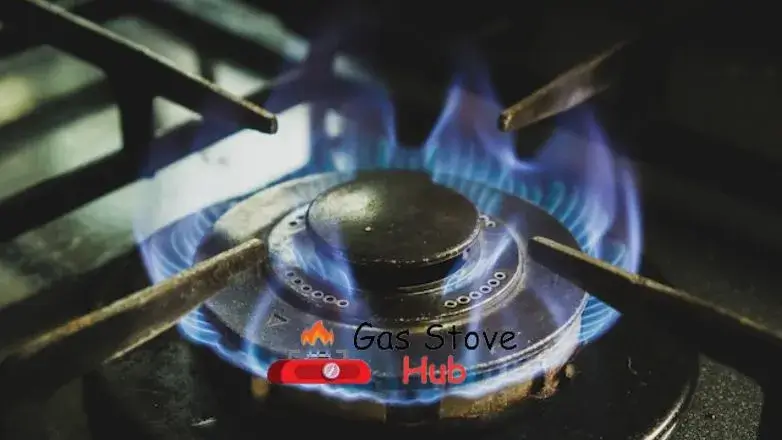
A burner cap that is not seated flat, moisture, food residue, or a fault in the burner or gas supply can cause an uneven flame. If the flame is persistently yellow or orange, produces soot, keeps going out, or behaves differently from the manufacturer’s description, stop using that burner and arrange an inspection.
When the stove is cool and there is no gas smell, you may clean removable burner parts only if the manual allows it. Dry every part fully and place it back in the correct position. Do not enlarge burner openings, adjust air shutters, or alter gas jets. For more routine care, read How to Clean a Gas Stove Top.
5. The Ignition Battery Discharges Frequently
Frequent battery failure is not something to solve by repeatedly replacing cells without checking the cause. Use only the battery type, size, and polarity listed in the manual. Do not mix old and new batteries or different battery types. Look for signs of leakage only if the compartment is designed for user access and the appliance is safe to approach. If the problem repeats, stop using the ignition system and have it checked by an authorised technician.
6. Ignition Problems After Cleaning the Stove
Excess water or cleaning product near an igniter, switch, or burner base can temporarily interfere with ignition and may damage components. Switch the burner controls off and allow the stove to cool fully. Clean only the surfaces and removable parts covered by the user manual, keep liquid away from the ignition system and controls, and dry the parts completely before reassembly.
Cleaning Mistakes to Avoid
- Do not wash the appliance body or pour water over the burners.
- Do not use metal pins, needles, paper clips, or sharp tools to clear burner openings.
- Do not dismantle the spark generator, switch assembly, gas valve, or wiring.
- Do not reconnect or switch electrical power while you suspect a gas leak.
For manufacturer-specific care details, consult the appliance manual and Elica India’s Gas Hob Caution and Care Guidance. Instructions can differ between models.
7. When Should You Call an Authorised Gas Stove Technician?
Stop using the stove and arrange professional service if the ignition still fails after the safe checks above, clicking persists, a knob sticks, the igniter or cable appears damaged, the flame remains abnormal, a component is loose, or the appliance repeatedly fails to light. Any gas smell, suspected leak, or visible damage to a gas connection requires urgent attention rather than further troubleshooting.
Do Not Repair Internal Gas or Electrical Components Yourself
Internal wiring, spark generators, ignition switches, valves, gas jets, and gas connections should be inspected or repaired by an authorised service professional. Do not swap control knobs to test a fault, dismantle the appliance, or try to repair a suspected gas leak.
How to Prevent Auto-Ignition Problems
- Follow the cleaning and maintenance schedule in your model’s manual.
- Keep spills from pooling around ignition electrodes, knobs, and electrical parts.
- After cleaning removable burner parts, dry them completely and refit them as instructed.
- Use the specified battery type and replacement interval for battery-operated models. There is no single interval that applies to every stove.
- Keep controls accessible and turn them fully off after cooking.
- Use authorised service for periodic checks, unusual flame behaviour, or recurring ignition faults.
- For LPG users, follow the Official LPG Safety Pledge, including switching off the regulator when not in use and arranging inspection by an authorised mechanic at the stated interval.
Conclusion: Fix Auto-Ignition Problems Safely
Start with the simple checks described in the user manual, such as the specified battery or a cool, correctly seated removable burner cap. Keep liquids away from ignition controls and allow cleaned parts to dry fully. Do not insert pins, paper clips, or other tools into gas jets, and do not dismantle the ignition system. If the burner still fails to light, clicking continues, or the flame is abnormal, stop using the stove and arrange authorised service. If you smell gas, leave the area and call 1906 from a safe location.
For more information, read Auto Ignition Gas Stove Advantages and Disadvantages, How to Clean a Gas Stove Top, and Can Gas Stoves Explode?.
Safety note: Internal ignition parts, switches, wiring, gas valves, and gas connections should be handled by the manufacturer’s authorised service team. Do not attempt repairs using improvised tools.
Related:
Glass Top Gas Stove vs Stainless Steel Gas Stove
How to Choose a Gas Stove in India: Buying Guide
How to Clean a Stainless Steel Stove
Frequently Asked Questions ( FAQs )
Why Is My Auto-Ignition Gas Stove Not Sparking?
The cause may be a depleted battery on a battery-operated model, an issue with its power source, or a fault in the ignition system. Check only the battery compartment if the manual identifies it as user-accessible. Do not replace ignition or gas-valve components yourself. If a correct battery does not help, call authorised service.
Why Does My Auto-Ignition Stove Keep Clicking After Cleaning?
Moisture may have reached the igniter or control area. Turn the burner controls OFF and let the cool appliance dry fully according to the user manual. Keep liquid away from switches and electrical parts. If clicking continues, stop using the stove and arrange authorised service. If you smell gas, do not operate electrical switches or attempt to unplug the stove.
Can I Replace the Ignition Battery Myself?
Only replace a battery if your model has a battery compartment designed for user access and the manual explains the process. Use the specified battery type, size, and polarity. Do not open the appliance or touch internal wiring. If the fault remains after the correct battery is installed, request authorised service.
What Should I Do if I Smell Gas Near the Stove?
Stop trying to light the stove. Do not light flames, smoke, or operate electrical or battery-powered devices. Move away from the suspected leak and call India’s 24-hour LPG leakage helpline on 1906 from a safe location. If the regulator can be switched off without approaching danger, do so. Do not use the stove again until it has been checked and declared safe.
Related:
Auto Ignition Gas Stove Advantages and Disadvantages
Is It Normal for All Burners to Spark at Once?
Some ignition designs produce sparks at several electrodes when one control is operated. Check the user manual to see whether this is normal for your model. If sparking continues after all controls are OFF or is different from normal operation, stop using the stove and arrange authorised service.
Can I Light an Auto-Ignition Stove Manually During a Power Failure?
Only if the manufacturer’s manual explicitly permits manual lighting for your model and gives the method. Do not assume every built-in hob or automatic ignition stove supports this. Never attempt manual lighting if you smell gas, suspect a leak, or the burner has repeatedly failed to light.
When Should I Call an Authorised Gas Stove Technician?
Call an authorised technician if the correct battery does not help, clicking continues after drying, a control sticks, the igniter or cable appears damaged, the flame remains abnormal, or a burner repeatedly fails to light. Any smell of gas or suspected leak requires an emergency response rather than further troubleshooting.
Source & About This Guide
This guide combines safe, user-level troubleshooting advice with manufacturer care instructions and Indian LPG safety guidance. Ignition systems vary by model, so follow your own user manual. This article is not a substitute for an authorised technician and does not recommend dismantling, repairing, or modifying gas and ignition components at home.
- Elica India: Auto-Ignition Troubleshooting FAQs
- Elica India: Gas Hob Caution and Care
- Elica India: Built-In Hob Instruction Manual and Troubleshooting Guide
- Pradhan Mantri Ujjwala Yojana: LPG Safety Pledge
- IndianOil: Emergency Safety Guidance
- IndianOil: LPG Emergency Helpline 1906
About this guide: Gas Stove Hub provides practical appliance information for Indian households. Safety advice is general. Always follow the instructions for your exact model and use authorised service for internal ignition or gas-related repairs.