
Last updated: 30 September 2026 by the Gas Stove Hub team
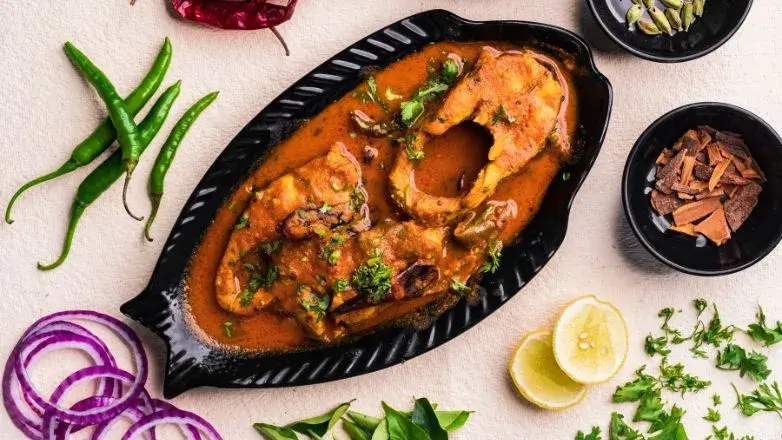
Rohu fish curry is a staple across Eastern India, and the smell of it cooking is one of the most comforting things in an Indian kitchen. This guide covers two well-loved regional styles, Bengali and Bihari, along with tips on picking and cleaning fresh fish, storing leftovers, and the nutrition you get from this everyday freshwater fish.
Rohu is a freshwater fish that is rich in flavour and genuinely good for you. A typical serving provides solid protein, along with vitamins A, B and C and omega-3 fatty acids, which is why it is worth cooking regularly rather than treating it as an occasional treat.
How to Pick Fresh Rohu Fish
- Look for clear, bright eyes rather than cloudy or sunken ones, which is one of the most reliable signs of freshness.
- The gills should be bright red or pink, not brown or grey.
- Press the flesh gently. It should spring back rather than leave a dent.
- Fresh rohu has a mild, clean smell. A strong, sour or ammonia-like odour means it is past its best.
- As a rough guide, 1 kg of rohu is enough for a curry that serves around 4 people, depending on portion size and how many other dishes you are serving alongside it.
How to Clean Rohu Fish Before Cooking
- Rinse the fish pieces thoroughly under running water to remove any loose scales or debris.
- Rub the pieces with a little salt and turmeric, which helps draw out excess moisture and any residual smell, then rinse again.
- Pat the pieces dry with a paper towel before marinating, since excess surface moisture makes it harder to get a good fry.
If you are also upgrading your kitchen setup, our Comprehensive Gas Stove Buying Guide is a useful next read.
Bengali Style Rohu Fish Curry Recipe
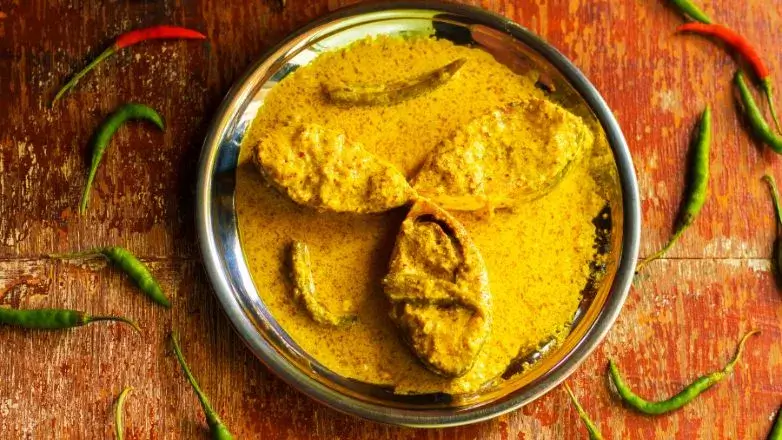
Known in Bengali as Rui Macher Jhol, this is a full meal eaten with both rice and chapati across Bengali households. It gets its signature flavour from mustard oil and a fresh onion-chilli paste.
Ingredients
- 6 to 7 pieces of rohu fish
- 1 tomato, chopped
- 3 onions
- 3 green chillies
- 1/2 cup curd
- 1/2 tablespoon turmeric powder
- 1/2 tablespoon mustard seeds
- 1/2 tablespoon red chilli powder
- 1/2 tablespoon coriander powder
- Mustard oil, for cooking
- Salt, to taste
Method
- Marinate the cleaned rohu fish with turmeric and salt for 15 minutes.
- Heat 3 to 4 tablespoons of mustard oil in a frying pan. Add the marinated fish and fry until golden brown, flipping gently so each piece colours evenly. Lift onto a plate lined with an oil-absorbing sheet.
- Cut 2 of the onions into 4 to 6 pieces each, then blend them with the mustard seeds and green chillies into a fine curry paste.
- In the same pan, add a few mustard seeds, then the remaining onion, finely sliced. Cook until translucent.
- Add the onion paste and cook for a few more minutes, then stir in the chopped tomato. Cook until soft and mushy, covering the pan if you want to retain more moisture.
- Once the mixture comes together, add the red chilli powder, coriander powder and remaining turmeric, and let the spices cook until the oil separates for a richer flavour.
- Add the curd and let it come to a boil, then add water to reach your preferred gravy consistency. Let the whole mixture simmer for several minutes on medium heat.
- Add the fried fish once the gravy starts to boil, cover with a lid, and cook for 5 to 10 minutes, stirring gently in between.
Prep time: about 1 hour. Serves approximately 4.
Also Read: Robusta Banana Recipes | That Make Your Taste Buds Dance
Bihari Style Rohu Fish Curry Recipe
Bihari style rohu fish curry leans on a warmer, more layered spice blend, with garlic, cloves, fenugreek and cardamom. Where the Bengali version adds raw chopped tomato to a boiling gravy, this style grinds the tomato into the base paste itself, which gives the curry a thicker, richer body.

Ingredients
- 6 to 7 pieces of rohu fish
- 1 to 2 onions
- 1 tomato
- 2 green chillies
- 2 red chillies
- 5 garlic cloves
- 2 cloves
- 1/2 tablespoon yellow mustard seeds
- 1/2 tablespoon cumin seeds
- 3 green cardamom pods
- 1 tablespoon turmeric powder
- 1/2 tablespoon black pepper powder
- A pinch of fenugreek seeds
- 1 tablespoon coriander seeds
- Fresh coriander leaves, for garnish
- Mustard oil, for cooking
- Salt, to taste
Method
- Marinate the cleaned fish pieces with 1 tablespoon turmeric, 1 tablespoon red chilli powder, and salt for 15 to 30 minutes.
- In a mixer, blend the tomato, onion, garlic, cardamom, cumin seeds, mustard seeds, cloves, black pepper, coriander seeds, and the red and green chillies into a fine paste.
- Heat mustard oil in a frying pan and shallow fry the marinated fish, turning gently, until golden brown on both sides. Set aside.
- In a kadhai, heat more mustard oil and add the fenugreek seeds. Wait until they darken slightly.
- Add the ground paste along with turmeric and salt, and cook, stirring, until the oil begins to separate from the masala.
- Add water gradually, stirring as you go, and let the mixture simmer for about 5 minutes.
- Once the gravy’s raw smell has gone, add the fried fish and let it cook for 20 to 25 minutes so the flavours develop fully.
- Garnish with fresh coriander leaves before serving.
Prep time: about 1 hour. Serves approximately 4.

Nutrition in Rohu Fish
Rohu is a lean, protein-rich freshwater fish, making it a solid everyday choice rather than an occasional indulgence. A typical serving provides meaningful protein along with omega-3 fatty acids, which support heart and brain health, plus vitamins A, B-complex and C. How healthy the finished dish is depends heavily on the cooking method, since deep frying before adding it to the curry, as both recipes here do, adds extra oil compared with simmering the fish directly in the gravy.
Serving Suggestions
Both curries pair naturally with steamed rice, which is the traditional accompaniment in both Bengal and Bihar. The Bengali version also works well with chapati if you prefer a lighter meal. A side of sliced raw onion and lemon wedges cuts through the richness of the mustard oil nicely.
Storing and Reheating Leftovers
Rohu fish curry keeps well in the refrigerator for up to 2 days in an airtight container. Reheat gently on the stove over low heat rather than in short, high bursts, since fish can turn rubbery if reheated too quickly. Avoid reheating more than once, and if you are unsure whether leftover fish is still good, trust your nose over the clock.
Rohu Fish Curry FAQs
Which rohu fish curry is tastier, Bihari or Bengali?
Both have distinct, well-loved flavours. The Bengali version is lighter with a fresh tomato and curd base, while the Bihari version is richer and more heavily spiced. Trying both is the best way to decide which suits your taste.
Is 1 kg of rohu enough to make a curry?
Yes, 1 kg of rohu is generally enough for a curry that serves around 4 people, though this depends on portion sizes and what else you are serving.
How do I clean rohu fish properly?
Rinse the cut pieces under running water, rub them with a little salt and turmeric to draw out any residual smell, rinse again, and pat dry before marinating.
How do I know if rohu fish is fresh?
Look for clear eyes, bright red or pink gills, flesh that springs back when pressed, and a mild, clean smell rather than a strong or sour one.
Can I skip frying the fish before adding it to the curry?
Yes. Many lighter versions of this curry simmer the fish directly in the gravy instead of frying it first, which reduces the oil content, though frying first does add a firmer texture and extra flavour that many people prefer.
How long does rohu fish curry last in the fridge?
It keeps safely for up to 2 days in an airtight container in the refrigerator. Reheat it gently rather than on high heat to avoid overcooking the fish.
Conclusion
Rohu fish curry is one of those dishes that rewards a little patience, from picking genuinely fresh fish to letting the gravy simmer long enough for the spices to come together. Whether you lean toward the lighter Bengali style or the richer Bihari version, both make a complete, nutritious meal that is well worth adding to your weekly rotation.