Cooking oil, masala splashes, milk spills, and burnt-on food can quickly leave an Indian kitchen gas stove sticky and difficult to clean. The safest method depends on the surface and the type of residue. This guide explains how to deep clean a gas stove using mild dish soap, baking soda where suitable, and manufacturer-approved cleaners, with practical steps for removable grates, burner caps, knobs, and glass or stainless steel surfaces. It also explains which methods to avoid and how to dry and reassemble the stove safely.
Written by Abdul Khader, researcher and writer at Gas Stove Hub. Last updated: October 28, 2026
How Often Should You Deep Clean a Gas Stove?
- After cooking: when the stove is fully cool, wipe fresh splashes from the surface with a soft damp cloth.
- Weekly or fortnightly: clean removable grates and burner caps if your use is frequent. Households that fry or cook with oil daily may need more frequent cleaning.
- Whenever grease builds up: do a deeper clean of compatible removable parts and the stove body. Use the manual to choose the cleaner and soaking method.
- After a boil-over or sticky spill: clean it as soon as the stove has cooled, because sugars, salt, and acidic foods can damage some finishes if left in place.
Before You Start
Turn all burner controls off, close the LPG regulator or gas supply valve if you can do so safely, and allow the stove to cool completely. Gather mild dish soap, warm water, a soft cloth or sponge, a soft-bristled brush, a dry towel, and a non-scratch pad approved for your stove surface. Check the user manual before removing any parts or choosing a cleaner. Never pour water into burner ports, gas inlets, ignition components, or the area beneath fixed parts, and do not dismantle gas fittings to clean them.
For separate maintenance guidance, read our Guide to Cleaning Gas Stove Pipes at Home and our Step-by-Step Guide to Cleaning a Gas Stove Top.
Step-by-Step: Deep Clean a Gas Stove
- Switch off and cool: turn all controls off, shut the regulator or gas supply where safe, and wait until the whole appliance is cool to the touch.
- Remove only approved parts: lift off grates and burner caps if the manual identifies them as removable. Do not loosen gas fittings, injectors, or fixed burner assemblies.
- Clean removable parts separately: use warm water and mild dish soap if the part’s care instructions permit it. Use a soft brush for softened residue.
- Wipe the stove body: use a damp, not dripping, cloth. Keep liquid away from ignition parts, gas openings, seams, and control-panel openings.
- Address stubborn residue carefully: use a small amount of baking soda paste only on compatible finishes, or choose a cleaner approved for the specific material.
- Rinse and dry completely: wipe away cleaner residue and dry every removable component fully before reassembly.
- Reassemble and check: seat each cap correctly as the manual shows. If you smell gas, see a persistent abnormal flame, or a burner will not light normally, turn it off and contact the LPG distributor or a qualified technician.
Method 1: Vinegar
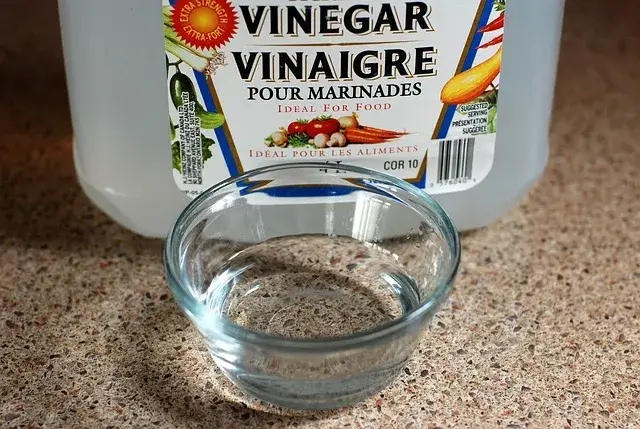
Use diluted white vinegar only on surfaces whose care instructions allow it, and only for light residue or water marks. Apply it to a cloth rather than spraying directly into burner openings, control seams, igniters, or gas inlets. Wipe gently, follow with a clean damp cloth, and dry. Vinegar is acidic and can affect some finishes, including certain burner caps and coatings, so do not use it as a universal cleaner or leave it sitting on the stove.
Method 2: Baking Soda
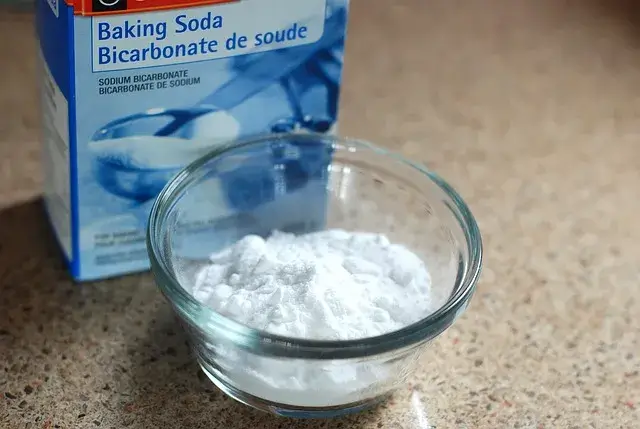
For some compatible metal or enamel parts, mix baking soda with a little water to make a soft paste. Test it on an inconspicuous area first, then spread a thin layer over the cooled, greasy spot. Leave it for around 10 to 20 minutes if the finish permits, gently wipe with a non-scratch sponge, and remove all residue with a clean damp cloth. Do not scrub glass, printed markings, polished coatings, or delicate finishes with baking soda unless the manufacturer specifically permits it, because its fine particles can scratch some surfaces.
Method 3: Dish Soap and Water
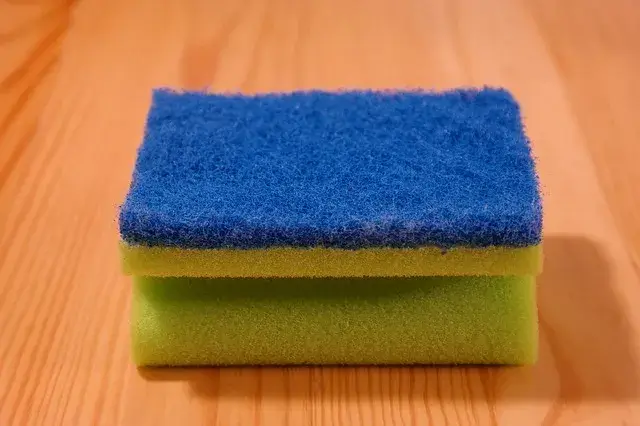
Mild dish soap and warm water are the best starting point for routine cleaning. Apply the solution to a soft cloth or sponge, not directly onto the stove, and wipe the cooled surface gently. Clean removable knobs only if the manual says they can be removed, and keep moisture away from switches, ignition components, gas openings, and control shafts. Wipe with a clean damp cloth to remove soap, then dry the surface. Use only the cleaners recommended for your particular stainless steel, enamel, glass, or painted finish.
Method 4: Removing Heavy, Baked-On Grease
For stubborn grease, start by softening the residue with warm soapy water if the part’s care instructions permit soaking. Use a soft-bristled brush or a manufacturer-approved degreaser on compatible removable parts. Do not treat the ammonia bag method as a universal solution: ammonia can release irritating fumes and may discolour certain burner components. Always follow the stove and cleaner instructions.
Why the Ammonia Bag Method Should Not Be the Default
Ammonia fumes can irritate the eyes, skin, throat, and lungs, and some manufacturers specifically warn against using ammonia on burner heads because it can discolour them. For most home kitchens, warm soapy water and an approved cleaner are a safer first choice.
- Never mix ammonia with bleach, acids, or other household cleaners. Dangerous gases or reactions can result.
- Do not use ammonia on burner heads, caps, grates, coatings, or glass unless the appliance manual explicitly allows it.
- Do not seal chemical fumes in a bag unless the appliance maker’s instructions specifically recommend that method for the exact part.
- Follow the cleaner label, use the recommended protective equipment, and ensure suitable ventilation.
- Keep all cleaning chemicals away from children, pets, food, and cooking utensils.
Safer Steps for Heavy, Baked-On Grease
- Check the user manual to confirm which removable grates, caps, or supports may be soaked or treated with cleaner.
- Place approved removable parts in warm water with a small amount of mild dish soap for the period recommended by the manufacturer. Do not soak uncoated cast iron for long periods.
- Use a soft-bristled brush or non-scratch pad to loosen softened grease. For persistent residue, apply a degreaser labelled as suitable for the exact material.
- Rinse off all detergent or cleaner according to its label and wipe the part clean.
- Dry every part completely. Do not reinstall a wet burner cap, and do not use heat from the stove to speed-dry a part that is still wet.
- If residue remains or a part is corroded, chipped, or damaged, check with the manufacturer or a service technician rather than using stronger chemicals or metal tools.
Special Care for Cast-Iron Grates
Check the manual to identify whether the grate is bare cast iron, seasoned cast iron, or enamel-coated cast iron. Avoid prolonged soaking of uncoated cast iron because it can promote rust or affect its surface. Wash only by the method allowed for your grate, dry it immediately and thoroughly, and apply a very thin layer of cooking oil only if the manufacturer’s care instructions recommend it. Do not assume that ammonia is safe for cast iron or enamel.
Surface-Specific Cleaning Tips
How to Clean a Glass Top Gas Stove
Let the glass cool completely. Wipe loose crumbs with a soft cloth, then use warm water and a little mild dish soap or a cooktop cleaner labelled safe for your glass surface. Avoid steel wool, abrasive pads, rough powders, and baking soda scrubs unless the manufacturer expressly allows them. Use a scraper only if it is approved for your model and follow its instructions to avoid scratching or chipping the glass. Do not use ammonia on the glass surface. For more care guidance, read Common Glass Top Gas Stove Problems.
How to Clean a Stainless Steel Gas Stove
Use a microfiber cloth and a small amount of mild dish soap, wiping in the direction of the steel grain where visible. Follow with a clean damp cloth and dry to reduce water spots. Avoid steel wool, harsh scouring powders, strong acids, and chlorine bleach, which can scratch or discolour the finish. Use a stainless-steel cleaner only if it is recommended for your model. See our Guide to Cleaning a Stainless Steel Stove.
How to Clean Burner Caps, Grates, Knobs, and Igniters
Remove caps and grates only if the user manual says they are removable. Keep track of which cap belongs to which burner, and do not put parts in a dishwasher unless the manual explicitly permits it. Clean removable knobs only as instructed and avoid soaking any component containing an electrical switch. Wipe the igniter gently with a barely damp cloth if the manual permits it, then allow it to dry fully. Never flood the burner openings, control shafts, or ignition components with water or cleaner. After cleaning, make sure each cap sits flat and the parts are completely dry before using the stove.
If you want a focused guide to burner cleaning, read How to Clean Gas Stove Burners With Vinegar and Baking Soda. Follow the user manual first if its instructions differ from a general method.
What to Use and What to Avoid
| Recommended Starting Point | Avoid or Use Only If Approved |
|---|---|
| Mild dish soap, warm water, and a soft cloth | Mixing household cleaners, especially ammonia and bleach |
| Soft-bristled brush for compatible removable metal parts | Steel wool, rough scouring pads, and abrasive powders on glass or delicate finishes |
| Baking soda paste on finishes that permit it | Baking soda scrubs on glass, printed markings, or polished coatings unless approved |
| Material-specific cooktop cleaner used according to its label | Ammonia bag cleaning unless the exact appliance instructions explicitly allow it |
| Clean damp cloth for wiping off residue, followed by thorough drying | Pouring water into burner ports, gas inlets, switches, or ignition components |
| Hand-washing removable parts where the manual permits it | Soaking bare cast iron for long periods or using a dishwasher without checking the manual |
Deep Clean Gas Stove FAQs
How often should I deep clean my gas stove?
Wipe spills from the cool surface after cooking. Depending on how much you cook, wash removable grates and caps weekly or fortnightly, and deep clean whenever grease builds up. Frequent frying and sticky spills may require more frequent cleaning. Follow the manual for each part’s care instructions.
Is the ammonia bag method safe to use?
It should not be the default cleaning method. Ammonia fumes can irritate the eyes, skin, and lungs, and some manufacturers warn against using it on burner heads because it can discolour them. Use warm soapy water or a manufacturer-approved cleaner instead. Never mix ammonia with bleach or any other household cleaner.
What removes baked-on grease best?
Start with warm soapy water and a soft brush on removable parts that can safely be soaked. For stubborn residue, use a baking soda paste only on finishes that permit it or a degreaser labelled as safe for that part’s material. Allow the cleaner time recommended on its label rather than mixing cleaners or using stronger chemicals.
Can I use the ammonia method on a glass top stove?
Do not use the ammonia bag method on a glass surface. Use a soft cloth and a cooktop cleaner or mild soap that the manufacturer approves for your model. Also avoid abrasive pads and powders unless the manual specifically allows them.
Should I soak cast iron grates in water?
Check the grate’s care instructions first. Long soaks can promote rust on uncoated cast iron. Use the permitted cleaning method, dry the grate immediately and thoroughly, and apply a thin coat of oil only if the manufacturer recommends it for that grate.
Can I Clean a Gas Stove While It Is Warm?
No. Wait until the cooktop, grates, caps, and other parts are fully cool before cleaning. Cleaning a hot surface can cause burns, and liquid on hot components may damage the finish or create steam.
Why Does My Burner Click or Fail to Light After Cleaning?
Moisture around the igniter or burner parts, or a cap that is not seated correctly, may prevent normal ignition. Turn the controls off, let the parts dry completely, and check their alignment according to the manual. If a burner still fails to light or you smell gas, stop using it and contact a qualified technician or LPG distributor.
Can I Use Oven Cleaner on Gas Stove Burners?
Do not use oven cleaner, bleach, rust remover, or other strong chemicals on burners unless the appliance manufacturer expressly approves the product for that exact part. Use mild dish soap or a recommended cleaner and follow the product label.
How Do I Know When the Stove Is Ready to Use Again?
All removable parts must be completely dry and correctly seated, and no cleaning residue should remain. Follow the manufacturer’s relighting instructions. If you notice a gas smell, persistent abnormal flame, or repeated ignition trouble, turn the controls off and get professional assistance rather than continuing to test the stove.
Conclusion
The best way to deep clean a gas stove is to use the gentlest method that works for the surface and the mess. Mild dish soap and warm water are the safest starting point for most routine cleaning, while baking soda or a material-specific degreaser may help with stubborn residue when the manual allows it. Keep moisture and chemicals away from gas openings and ignition components, dry every removable part completely, and never mix cleaning products. If cleaning leaves a weak, yellow, or uneven flame, read our guide to Common Gas Stove Problems and contact a qualified technician if the issue persists.
Source & About This Guide
This guide is written for general home-cleaning needs and prioritises manufacturer care instructions over one-size-fits-all cleaning hacks. Cleaning recommendations vary by stove model and by the materials used in grates, burner caps, glass, enamel, and stainless steel. Always consult the manual for your appliance before soaking parts, using abrasives, or applying chemical cleaners. Do not dismantle gas fittings or internal components as part of cleaning.
- Electrolux India: How to Clean a Gas Stove Thoroughly
- Bosch Home Appliances India: How to Clean Your Gas Stove
- GE Appliances: Cleaning Burner Heads and Under the Burner Assembly
- Whirlpool: Cleaning Gas Burner Ports
- Whirlpool: Cleaning Burner Grates and Caps
- Centers for Disease Control and Prevention: Ammonia Safety
- Poison Control: Ammonia Usage and Safety