Last updated: 30 September 2026 by the Gas Stove Hub team
A gas stove is still the most common cooking appliance in Indian kitchens, and most of the time it works exactly as expected. Like any appliance that sees daily use, it does run into the occasional problem. This guide covers the issues people run into most often, from a gas smell to a clicking burner, what actually causes each one, and when a problem is serious enough to need a professional rather than a quick fix.
Common Gas Stove Problems You Face
Gas Leakage
A leak is the most serious problem on this list and the one most worth taking seriously. It can be caused by a damaged regulator, a cracked or worn gas pipe, a loose connection, or a faulty cylinder valve.
What to do: turn off the cylinder knob the moment you suspect a leak, and never test for one with a lighter or matchstick. Mix a little dish soap with water and rub it over the connection points. Bubbles forming mean gas is escaping. Ventilate the room immediately by opening windows and doors, and avoid switching electrical appliances on or off nearby, since a spark near escaping gas is a genuine hazard. Our guide on Cleaning and Checking Gas Stove Pipes covers the full leak-test process and how often to replace the hose.
As a habit, always turn the cylinder off when you are finished cooking rather than leaving it open between uses.
Gas Odor
LPG itself is naturally odorless. Gas suppliers add a sulphur-based compound to it deliberately, specifically so a leak is easy to notice by smell. If you catch that distinct odor, treat it as a leak warning rather than a minor nuisance.
What to do: open the kitchen windows immediately, turn off the cylinder, and do not use any ignition source, electrical switch, or the stove itself until the smell has fully cleared. If the odor persists after ventilating and checking the connections, contact your gas supplier rather than continuing to use the stove.
Clicking Noise from the Burner
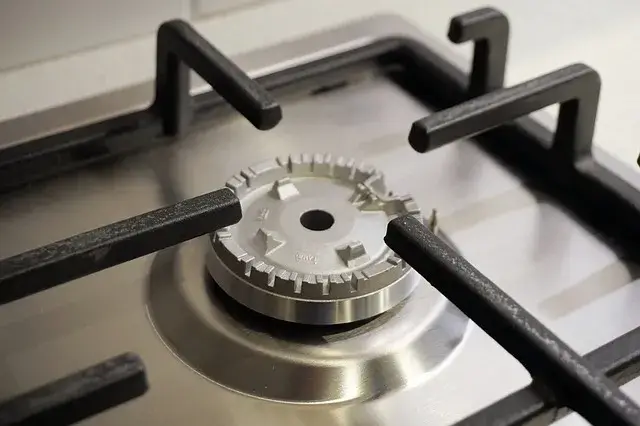
A repeated clicking sound when lighting the burner is common on stoves with an auto-ignition system, though it can happen on conventional stoves too. The usual cause is grease, food debris or moisture sitting on the igniter or around the burner base, which weakens the spark.
What to do: clean the burner cap and the area around the igniter with a dry cloth, and make sure everything is completely dry before relighting. If the clicking continues after cleaning, the igniter or spark module may be wearing out and worth having checked. Our detailed guide on Is Automatic Gas Stove Safe covers auto-ignition troubleshooting in more depth.
Clogged Burner Openings
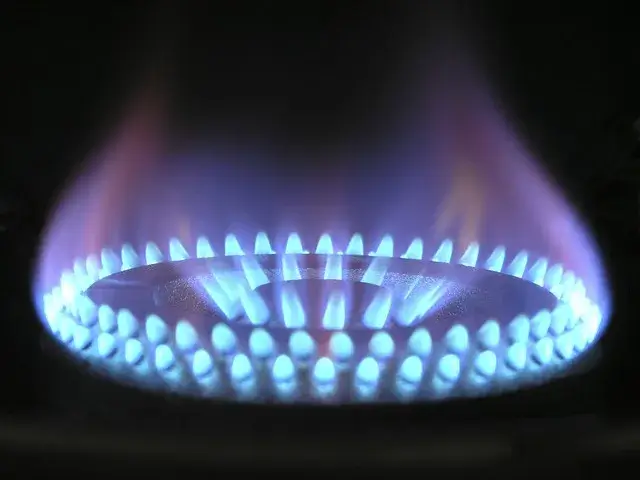
A weak, uneven, or yellow-tinted flame, along with slower cooking times, usually points to clogged burner ports. Food particles and grease settle into the small holes around the burner over time and block the gas from distributing evenly.
What to do: let the burner cool fully, then clear each port with a soft toothbrush or a thin pin, and wipe away any debris. If the flame is still weak after cleaning, the cause may be reduced gas pressure or an airflow issue rather than a clog, and is worth having a technician check. If the burner will not ignite at all after cleaning, it may need to be relit manually or the igniter checked.
Greasy Surface and Grease Fire Risk
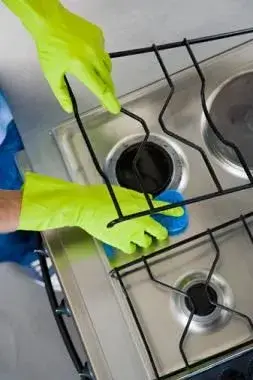
Grease buildup is not just unsightly. Left to accumulate near an open flame, it is a genuine grease fire risk, and it also contributes to the clogged burner and weak flame problems covered above.
What to do: wipe the stove top with a damp cloth and either vinegar or dish soap after cooking, rather than letting spills sit. Our Full Guide to Deep Cleaning a Gas Stove covers methods for everything from light daily grease to heavy, baked-on buildup.
Carbon Monoxide Exposure
This is worth explaining properly rather than glossing over, since it is genuinely a health risk many people are not aware of. Carbon Monoxide is a colourless, odorless gas produced whenever gas burns incompletely. A clean, properly tuned burner mostly produces carbon dioxide and water vapor, but a clogged burner, an incorrectly adjusted flame, or poor kitchen ventilation can increase how much carbon monoxide is released. Because it has no smell, you cannot rely on your nose the way you can with a gas leak.
Symptoms of mild exposure include headache, dizziness, nausea and fatigue, often mistaken for a general feeling of being unwell. More severe exposure can cause confusion, shortness of breath, and in serious cases, loss of consciousness.
What to do: always cook with a window open or an exhaust fan running, especially in a small or poorly ventilated kitchen, and use the back burners when possible, since extraction systems generally capture more fumes from the back of the stove than the front. A clean, healthy flame burns blue rather than yellow or orange, so a persistently yellow flame is worth having checked. Installing a carbon monoxide detector in or near the kitchen is a sensible precaution, since it is the only reliable way to catch a buildup you cannot smell or see. If you or anyone in your household experiences unexplained headaches, dizziness or nausea while cooking that improves after leaving the kitchen, treat it seriously and get fresh air immediately, then have the stove inspected.
When to Call a Technician
Most of the problems above are solved with cleaning or a simple check. Call a qualified technician if you cannot find or stop a gas leak yourself, if the flame stays yellow or weak after cleaning the burner, if the igniter keeps failing after cleaning, or if anyone in the household experiences symptoms that could be carbon monoxide exposure. These situations involve either combustion safety or gas supply, which are not worth guessing at.
Gas Stove vs Induction: Fewer Problems, Different Ones
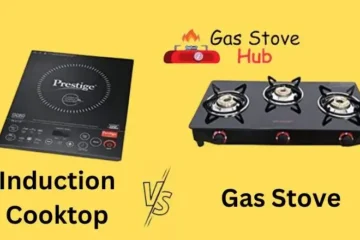
Many of the issues above, leaks, gas odor and carbon monoxide, simply do not apply to an Induction Cooktop, since there is no combustion involved. Induction comes with its own set of issues instead, such as cookware compatibility and dependence on a stable power supply, which are covered in that guide. Neither appliance is problem-free, but the nature of the problems is quite different.
Common Gas Stove Problems FAQs
How do I know if my gas stove is leaking?
Rub soapy water over the connection points and watch for bubbles, or trust a distinct gas smell. If either happens, turn off the cylinder, ventilate the room, and avoid any flame or spark until the leak is confirmed stopped.
Can a gas stove give off carbon monoxide even when it looks fine?
Yes. Some carbon monoxide is produced during normal combustion, and you cannot see or smell an increase. Good ventilation and a working carbon monoxide detector matter even when the stove seems to be functioning normally.
Why is my burner flame yellow instead of blue?
A yellow flame usually means incomplete combustion, often from a clogged burner port or insufficient air reaching the flame. This also increases carbon monoxide output, so it is worth cleaning the burner and having it checked if the colour does not return to blue.
Why does my burner click but not light?
This is usually grease, food debris or moisture around the igniter weakening the spark. Clean the area and let it dry fully before trying again.
How often should I check my gas stove for problems?
Do a visual check of the pipe and connections monthly, clean the burners and surface regularly to prevent clogging and grease buildup, and pay attention to flame colour every time you cook, since a change there is often the earliest warning sign.
Conclusion
Most gas stove problems, clicking burners, clogged ports, a greasy surface, are inconvenient rather than dangerous, and clear up with regular cleaning. Leaks and carbon monoxide are the two that genuinely deserve your full attention, since both can be serious and neither always announces itself clearly. Good ventilation, a working carbon monoxide detector, and checking your gas pipe regularly cover most of the real risk. If you are weighing whether to move some of your cooking to induction instead, our guide on Induction Stove vs Gas Stove is worth reading next.