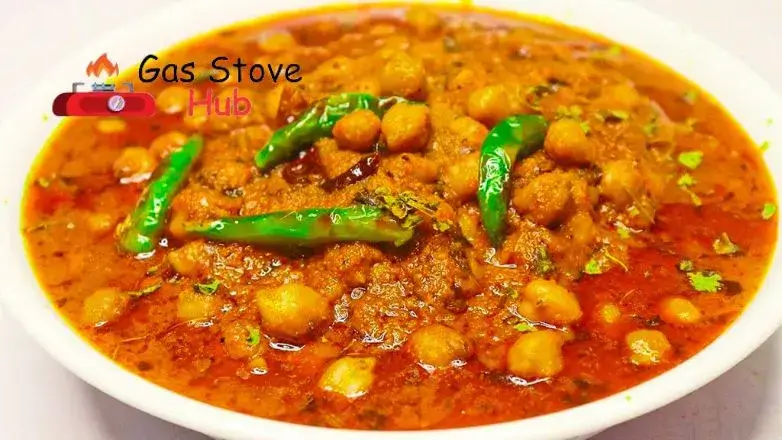
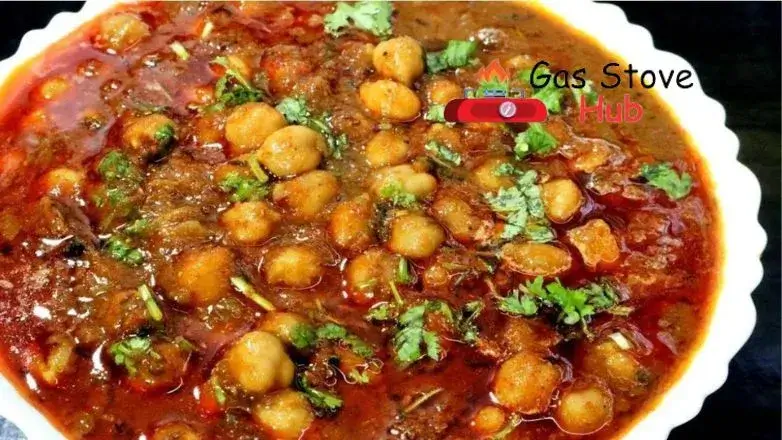
Chole Ki Sabji is a North Indian chickpea curry made with kabuli chana simmered in an onion-tomato gravy and warm spices. This home-style Punjabi-inspired version uses everyday ingredients, optional tea for a deeper colour, and a slow simmer to help the chickpeas absorb the masala. Serve it with bhatura, poori, roti, paratha or rice.
Written by Abdul Khader, researcher and writer at Gas Stove Hub. Last updated: October 27, 2026
Chole Ki Sabji Recipe at a Glance
- Serves: 4 people
- Preparation: 15 minutes, plus 8 hours or overnight soaking
- Cooking time: About 45 to 60 minutes, depending on the chickpeas and cooker
- Main ingredient: 250 g dried white chickpeas (kabuli chana)
- Difficulty: Easy, with advance soaking
Ingredients for Chole Ki Sabji
This recipe uses 250 g of dried white chickpeas and makes about four servings. Measure the spices before cooking so you can add them gradually. The tea bag is optional and is used mainly for colour, not as a required flavouring.
For Soaking and Cooking the Chickpeas
- 250 g dried white chickpeas (kabuli chana)
- Water for soaking, plus about 750 ml to 1 litre fresh water for pressure cooking, or enough to cover the chickpeas as directed by your cooker
- ½ teaspoon salt, or to taste
- 1 black tea bag or 1 teaspoon loose black tea tied securely in clean muslin, optional for colour
- 1 small cinnamon stick, 2 cloves, 4 to 5 black peppercorns and 1 black cardamom, optional
For the Onion-Tomato Masala
- 2 tablespoons oil for the masala
- 2 medium onions, finely chopped or ground to a paste
- 2 medium tomatoes, pureed or finely chopped
- 1 tablespoon ginger-garlic paste
- 1 to 2 green chillies, slit or chopped
- 1 teaspoon cumin seeds
- 2 teaspoons chole masala
- 1 teaspoon ground coriander
- ¼ teaspoon turmeric powder
- ½ to 1 teaspoon Kashmiri chilli powder for colour, plus hot red chilli powder to taste
- ½ teaspoon amchur (dry mango powder) or 1 teaspoon anardana (dried pomegranate) powder, optional for tang
- ½ to 1 teaspoon garam masala
- Salt to taste, remembering that some salt may already be in the chickpea cooking liquid
For the Final Tempering and Garnish
- 1 tablespoon ghee or oil
- 1 green chilli, slit lengthwise, optional
- 1 teaspoon grated or julienned ginger
- 2 tablespoons chopped fresh coriander
- Chopped onion and lemon wedges, for serving
How to Make Chole Ki Sabji Step by Step
Step 1: Soak the Chickpeas
Rinse the dried kabuli chana and soak it in plenty of water for at least 8 hours or overnight. The chickpeas expand, so use a large bowl and enough water to keep them covered. Drain and rinse again before cooking. If the packet gives specific soaking or cooking instructions, follow them.
Step 2: Pressure-Cook Until Soft
Add the soaked chickpeas to a pressure cooker with fresh water, ½ teaspoon salt and the optional cinnamon, cloves, peppercorns and black cardamom. For darker colour, add a tea bag or loose tea tied securely in clean muslin. Keep the tea contained so no leaves are left loose in the curry. Use enough water and stay within your pressure cooker’s fill limit. Cook until the chickpeas are tender, following your cooker’s instructions. Whistle counts and cooking time vary with the cooker, chickpea age and soaking time. Turn off the heat and allow pressure to release safely according to the appliance manual before opening.
How to Check If Chickpeas Are Done
Press one chickpea gently with a spoon. It should mash easily and have no hard centre. If it remains firm, continue cooking according to your pressure cooker’s instructions rather than rushing to add the acidic ingredients. Reserve the cooking liquid, then remove the tea bag and whole spices if you prefer not to have them in the gravy.
Step 3: Prepare the Onion-Tomato Masala
Heat 2 tablespoons oil in a heavy pan or kadai over medium heat. Add cumin seeds and let them sizzle briefly. Add the chopped or pureed onions and cook, stirring regularly, until golden brown and the raw onion smell has faded. Add ginger-garlic paste and green chilli, then cook for about a minute, stirring so it does not burn.
Add the tomatoes, turmeric, coriander powder, Kashmiri chilli powder, hot chilli powder if using, and chole masala. Cook until the tomatoes soften and the mixture thickens into a cohesive masala. Stir as needed to prevent sticking. If the pan becomes too dry before the tomatoes cook, add a small splash of water.
Step 4: Add Chickpeas and Simmer
Add the cooked chickpeas and stir for 2 to 3 minutes so the masala coats them. Pour in about 1 cup of the reserved chickpea cooking liquid and bring the curry to a gentle simmer. Cook uncovered or partly covered for 12 to 15 minutes, stirring occasionally. Add more cooking liquid a little at a time if the gravy becomes too thick.
For a thicker restaurant-style gravy, mash 2 to 3 tablespoons of chickpeas against the side of the pan and mix them back in. This thickens the sauce without needing flour or cream.
Step 5: Balance the Flavour
Add garam masala and either amchur or anardana for tang, if using. Taste before adding more salt because the chickpeas were salted during cooking and the spice mix may already contain salt. Simmer for another 2 to 3 minutes. The finished gravy should cling to the chickpeas but remain moist.
Step 6: Finish with Ginger and Ghee
For an optional final tempering, warm 1 tablespoon ghee or oil in a small pan. Add the slit green chilli and ginger and cook briefly until fragrant, without burning the ginger. Pour over the chole. Garnish with fresh coriander and serve with chopped onion and lemon wedges.
Tips for Soft Chickpeas and Flavourful Gravy
Soak the Chickpeas Long Enough
Soak dried chickpeas for at least 8 hours or overnight, using plenty of water. Older chickpeas can take longer to soften, so check the texture rather than relying only on a fixed number of pressure-cooker whistles. Never open a pressure cooker until its pressure has released as directed by the manufacturer.
Brown the Onions and Cook the Tomatoes Properly
Golden-brown onions and a well-cooked tomato masala build a deeper flavour. Keep the heat at medium and stir often so the paste cooks evenly without scorching. Add a small splash of water if the masala sticks before the tomatoes have softened.
How to Thicken Chole Ki Sabji
Simmer the curry uncovered for a few extra minutes, or mash a few cooked chickpeas into the gravy. Both methods thicken the sauce while keeping the dish based on chickpeas rather than adding flour or cream. Add reserved cooking liquid gradually so the curry does not become watery.
Balance the Tang and Heat
Chole masala blends differ in salt and chilli strength. Begin with the lower amounts of hot chilli and amchur, then adjust at the end. If the curry tastes too sour, simmer it with a little extra chickpea cooking liquid and a few mashed chickpeas. For a milder dish, reduce the hot chilli powder and use Kashmiri chilli mainly for colour.
Easy Variations and Substitutions
Can I Make Chole Without Tea Leaves?
Yes. Tea is optional and is mainly used to give the chickpeas a darker colour. Leave it out if you prefer. Do not use loose tea directly in the gravy unless you want tea particles in the finished dish; keep it in a tea bag or a securely tied, food-safe muslin pouch while cooking the chickpeas.
Can I Use Canned or Ready-Cooked Chickpeas?
Yes. Use about 500 to 600 g cooked chickpeas in place of the dried chickpeas. Drain and rinse canned chickpeas if they are salty, then add them after the onion-tomato masala is cooked. Add water or stock as needed and simmer for about 10 to 15 minutes so they absorb the flavour. The result may be a little different from chickpeas cooked from dry.
How to Make the Recipe Vegan
Use oil instead of ghee for the main masala and final tempering. Check the label on the chole masala blend if you are avoiding particular ingredients. The dish can be made without dairy and served with rice or suitable breads.
What to Serve with Chole Ki Sabji
Serve hot chole with bhatura, poori, kulcha, paratha, chapati or steamed rice. Sliced onion, lemon wedges, fresh coriander and ginger juliennes add freshness and let everyone adjust the tang to taste. For a balanced meal, add a vegetable side or a plain salad.
How to Store and Reheat Leftover Chole
Cool leftovers promptly and transfer them to a clean, shallow, covered container in the refrigerator. Keep refrigerated food at 5°C or below, and do not leave cooked chole at room temperature for more than two hours. Reheat only the portion you need until it is thoroughly hot throughout. Avoid repeated cooling and reheating, and discard food that has been stored unsafely or shows signs of spoilage. See the Food Safety and Standards Authority of India Guide to Food Safety at Home for safe food handling guidance.
Frequently Asked Questions About Chole Ki Sabji
How long should chickpeas be soaked for chole?
Soak dried white chickpeas for at least 8 hours or overnight in plenty of water. They should visibly expand. Drain and rinse them before pressure cooking.
How do I know when the chickpeas are cooked?
They should be tender all the way through and mash easily with gentle pressure from a spoon. If they are still firm in the centre, continue cooking according to your pressure cooker’s instructions, adding water if needed and releasing pressure safely before checking again.
Why is my chole gravy watery?
It may contain too much cooking liquid or may not have simmered long enough. Cook it uncovered for a few minutes, stirring occasionally, or mash some cooked chickpeas into the sauce. Add more liquid only a little at a time.
Why are my chickpeas still hard after pressure cooking?
They may be old, insufficiently soaked or undercooked. Continue cooking until tender, following the pressure cooker manual. Add acidic ingredients such as amchur after the chickpeas have softened rather than relying on acidity to cook the beans.
Can I make chole ki sabji without a pressure cooker?
Yes. Simmer the soaked chickpeas in a covered pot with fresh water until soft, topping up hot water as required. This can take considerably longer than pressure cooking, so check tenderness rather than following a strict time. Prepare the onion-tomato masala separately and simmer the cooked chickpeas in it.
What is the difference between chole and chana masala?
The names are often used for similar chickpea curries. Chole usually refers to the Punjabi-style preparation, while chana masala is a broader name for chickpeas cooked with a spiced gravy. Recipes vary by region, spice blend and desired gravy colour and tang.
Can I make chole ahead of time?
Yes. The flavour often develops as the curry rests. Cool and refrigerate it promptly in a covered container, then reheat thoroughly before serving. Keep to safe storage and reheating guidance rather than leaving the pot at room temperature for an extended period.
More Recipes from Gas Stove Hub
For another home-cooked recipe, see our Oats Idli Recipe. If you enjoy trying different kitchen cooking methods, explore these Quick and Easy Electric Tandoor Recipes.
Source & About This Guide
This recipe guide was updated by Gas Stove Hub to provide clearer ingredient measurements, practical pressure-cooking cues, substitutions and troubleshooting advice for home cooks. Chickpea cooking times vary by age, soaking and equipment, so follow your pressure cooker’s instructions and check that the beans are fully tender. For official guidance on storage, reheating and safe food handling, consult the FSSAI Food Safety at Home Guide and the ICMR-National Institute of Nutrition Dietary Guidelines for Indians. This is a home-cooking recipe and not medical or personalised nutrition advice.