
If you need to remove a gas pipe or LPG hose from a regulator, the safest choice is to contact your LPG distributor or an authorised gas technician. A damaged or incorrectly resealed connection can leak gas and cause a fire. This guide explains the difference between disconnecting a cylinder regulator and removing the hose, the warning signs to look for, and what you can safely check before arranging service.
Written by Abdul Khader, researcher and writer at Gas Stove Hub. Last updated: October 25, 2026
Before You Remove a Gas Pipe From an LPG Regulator
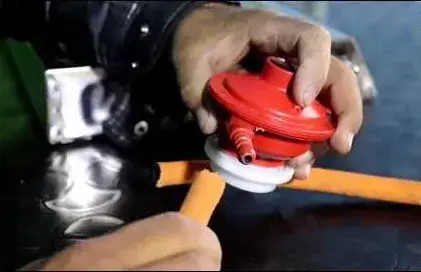
A household LPG installation includes several parts that are easy to confuse: the cylinder valve, pressure regulator, LPG hose, and the stove inlet. Removing the regulator from the cylinder is not the same task as detaching the hose from the regulator or stove. Do not loosen hose clamps, threaded fittings or fixed gas connections yourself. Ask your distributor to identify the component and arrange authorised service.
Know Which Part You Mean
A cylinder regulator, a flexible LPG hose and fixed gas pipework are different components. The regulator attaches to the cylinder valve, while the hose connects the regulator to the appliance. Do not confuse a regulator designed for cylinder changes with the hose connection at the regulator or stove. If you are unsure which part needs service, do not dismantle anything. Take a photo from a safe distance and explain the problem to your distributor.
Common Hose Problems and the Safe Response
| What you notice | What to do |
|---|---|
| Hose is stuck or the fitting will not move | Do not use pliers, a pipe wrench, heat, oil or force. Ask an authorised technician to inspect it. |
| Cracks, hardening, bulges, abrasions or burn marks | Stop using the affected installation and request replacement with an approved hose from your LPG distributor. |
| Replacement date or hose type is unclear | Ask the distributor to verify the type and replacement requirement. Do not pull or twist the hose to read the label. |
| Stove needs moving for cleaning or renovation | Arrange professional disconnection and reconnection before moving the appliance. |
| Gas smell or hissing sound | Stop work, avoid flames and electrical switches, move away if the smell persists, and call 1906. |
IndianOil recommends using approved LPG hose and arranging a domestic installation safety audit with the distributor’s trained mechanic every five years. Read the IndianOil LPG Safety and Installation FAQ for its guidance on hose care, inspection and support.
What to Do Instead of Removing the LPG Hose Yourself
For a domestic LPG installation, the hose connection at the regulator or stove should be handled by your authorised LPG distributor’s trained mechanic or a qualified gas technician. The fitting type and condition vary, and the connection must be checked after service. Do not loosen the hose, detach a fixed connection, or attempt to cap an open line yourself.
When You Need a Hose Replaced or a Stove Moved
Contact the distributor registered to your LPG connection or the stove manufacturer’s authorised service centre. Explain whether the hose is damaged, a fitting is stuck, or the stove needs to be moved for cleaning or renovation. Do not slide or lift a connected stove, because tension, kinks and pinching can damage the hose or fittings. For routine surface care, see How to Clean a Gas Stove Top.
Signs That an LPG Hose Needs Attention
From a safe distance, look for visible cracks, hardening, bulges, abrasions, burn marks, corrosion or a connector that appears loose. Do not pull, twist or test the fitting. Check the printed replacement information only if it is visible without moving the hose. If the hose is damaged, the marking is unreadable, or you are unsure which component you have, request an inspection.
| Situation | Safer response |
|---|---|
| Hose is stuck or will not move | Do not use pliers, a wrench, heat or lubricant. Arrange authorised service. |
| Hose is cracked, brittle or burned | Stop using the affected installation and ask your distributor to replace and check it. |
| Stove needs to be moved | Arrange professional disconnection and reconnection before moving it. |
| Open or disconnected gas line | Keep away and have a qualified technician secure and test the installation. Do not improvise a cap. |
| You smell LPG | Stop work and follow the emergency instructions below. |
What to Do if You Smell LPG
Do not continue maintenance, light a flame, or operate electrical switches. If safe, turn the regulator off, open doors and windows, move away if the smell persists, and call the 24-hour LPG emergency helpline at 1906. Follow the operator’s instructions and do not use the installation again until it has been checked.
What to Tell the LPG Technician
Tell the technician whether you need a hose replacement, a stuck connection inspected, or the stove moved. Mention any visible cracks, burning, gas smell or previous service. If possible, have your LPG consumer details and the stove model ready, but do not handle or move the gas connection to collect information. Ask for identification, a receipt, and confirmation that the installation has been checked before use.
Frequently Asked Questions
Can I remove the LPG hose from the regulator myself?
For a domestic LPG installation, the safest advice is to have the LPG distributor’s trained mechanic or an authorised gas technician remove or replace a hose connection. Do not loosen clamps or fittings with tools, and do not attempt a repair if the hose is stuck, damaged or corroded.
Is removing the regulator from the cylinder the same as removing the gas pipe?
No. The pressure regulator attaches to the cylinder valve, while the LPG hose connects the regulator to the stove. The fittings and the risks differ. Do not confuse public instructions for changing a cylinder with instructions for detaching a hose or fixed gas connection. Follow the instructions supplied by your LPG distributor and request a demonstration if you are unsure.
What should I do if the gas pipe is stuck?
Do not force it, twist the hose, apply heat, spray lubricant or use a pipe wrench. Stop handling the connection and contact your LPG distributor or authorised technician. Force can damage the hose, regulator or stove inlet.
How do I know if my LPG hose needs replacing?
Look for visible cracks, hardening, bulges, abrasion, burn marks or a loose connection without pulling or twisting the hose. Check the printed date or replacement instructions where visible and ask the distributor if the markings are unclear. Have visibly damaged hose replaced with the correct approved type.
Can I use an adjustable wrench to remove a gas hose?
Do not use an adjustable wrench, pipe wrench or pliers to attempt DIY removal of a domestic LPG hose connection. The risk is not just scratching the fitting. You could damage the connection or leave it unsafe to use. Arrange authorised service.
What should I do if I smell LPG near the regulator?
Do not light a flame or operate electrical switches. If safe, turn the regulator off, open doors and windows, move away if the smell persists, and call the 24-hour LPG emergency helpline at 1906. Follow the operator’s instructions and do not resume use until the installation has been checked.
How often should an LPG installation be inspected in India?
IndianOil’s current consumer FAQ says that a domestic LPG installation safety audit should be done once every five years by a trained mechanic from the distributor. Follow any additional inspection advice given for your installation and contact the distributor sooner if you notice damage, unusual flame behaviour or a smell of gas.
Conclusion
Removing a gas pipe from an LPG regulator is not a routine cleaning task. The safest way to avoid damage and gas leaks is to have the distributor’s trained mechanic or an authorised gas technician handle hose disconnection, replacement and reconnection. Never force a stuck fitting, leave an open gas line, or assume a connection is safe without a proper check. For related guidance, read How to Repair a Gas Stove Safely and How to Clean a Gas Stove Top.
Source & About This Guide
This guide was updated using official Indian LPG safety guidance and distributor resources. The article distinguishes a cylinder-mounted regulator from the hose that connects the regulator to a stove because they are different components. Manufacturer and distributor instructions take priority for an individual installation. This is general consumer information, not a substitute for a trained technician inspecting or servicing a gas connection.
- Pradhan Mantri Ujjwala Yojana: LPG Safety Pledge and Emergency Helpline
- IndianOil: Domestic LPG Safety and Installation Inspection FAQ
- IndianOil: Official LPG Emergency Helpline 1906
- Bharat Petroleum: LPG Installation Safety Tips
- IndianOil: Consumer LPG Safety Guidance
About the author: Abdul Khader researches and writes practical gas stove guides for Gas Stove Hub. This article is a safety-first overview intended to help readers identify common LPG hose concerns and contact the proper service provider.